
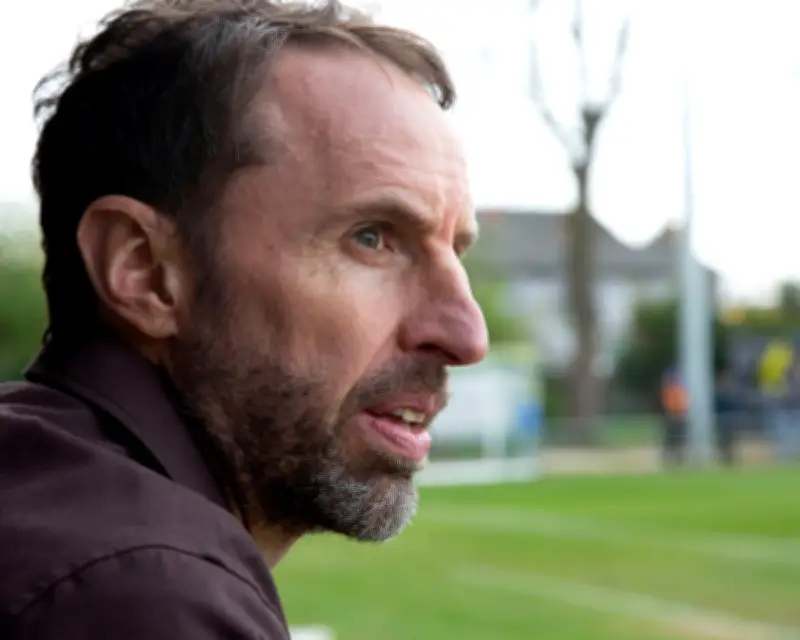
In his television review of Gareth Southgate: Changing the Game for Young Men, Jack Seale astutely observes that every problem identified in the documentary stems from significant political choices, which Southgate overlooks in favour of small-scale solutions. While well-meaning, the programme's limitations are frustrating.
Smartphone Statistics Misleading
Gareth Southgate's commitment to the issue is admirable and convincing. However, the statistic that more boys own smartphones than live with their fathers reveals little about either topic. Smartphones are nearly ubiquitous among young people, while the reasons fathers may not reside with their children are complex. Such comparisons highlight patterns of technology ownership rather than the realities of fatherhood.
This apolitical rhetoric risks obscuring the very issues it aims to illuminate. Those concerned about absent fathers should ask difficult questions about insecure work, housing, relationship breakdown, family courts, and changing care dynamics. Reducing these realities to catchy contrasts may raise awareness but does little to move beyond headlines.
Missed Opportunity in Environmental Projects
Seale notes the documentary features a young man from Middlesbrough volunteering on an environmental project. While generic benefits of making connections and building a CV are acknowledged, the intervention feels tokenistic and fleeting. This is a frustrating missed opportunity.
Dr Michael Richardson's research with young men in the north-east shows how transformative environmental initiatives can be when rooted in place and sustained over time, providing pride, belonging, and identity. Such programmes can also create pathways to paid employment, such as beekeeping and bike maintenance.
Need for Deeper Understanding
Boys and young men deserve more than soundbites and symbolism. Their challenges are real and political, requiring a deeper understanding of the social and economic conditions shaping their lives.
Male Teachers as Role Models
The male role models missing from young men's lives may be within reach. The Department for Education reported that the number of male teachers in state-funded schools in England fell for the first time this decade. However, men who become teachers later in life are bucking trends.
Since the pandemic, there has been huge growth in men aged over 40 entering initial teacher training in England – up 43%, triple the growth of female trainees. They are the fastest-growing group of applicants, but only one in five candidates was accepted last year, compared with half of all women.
At Now Teach, a charity helping career changers enter teaching, 53% of new hires starting this September are men, versus 33% nationally. Of their 1,500-strong network, 51% is male, compared with 24% nationally. With an average age of 49, these converts bring decades of professional and lived experience as businessmen, engineers, entrepreneurs, managers, and fathers.
A dedicated support service is needed to nurture this green shoot amid a decade of missed teacher recruitment targets. Funding for this work was unexpectedly axed by the previous UK government. A targeted national recruitment campaign is needed to close the classroom gender gap.




