Reeves Concedes UK's Iran Position May Threaten US Trade Negotiations
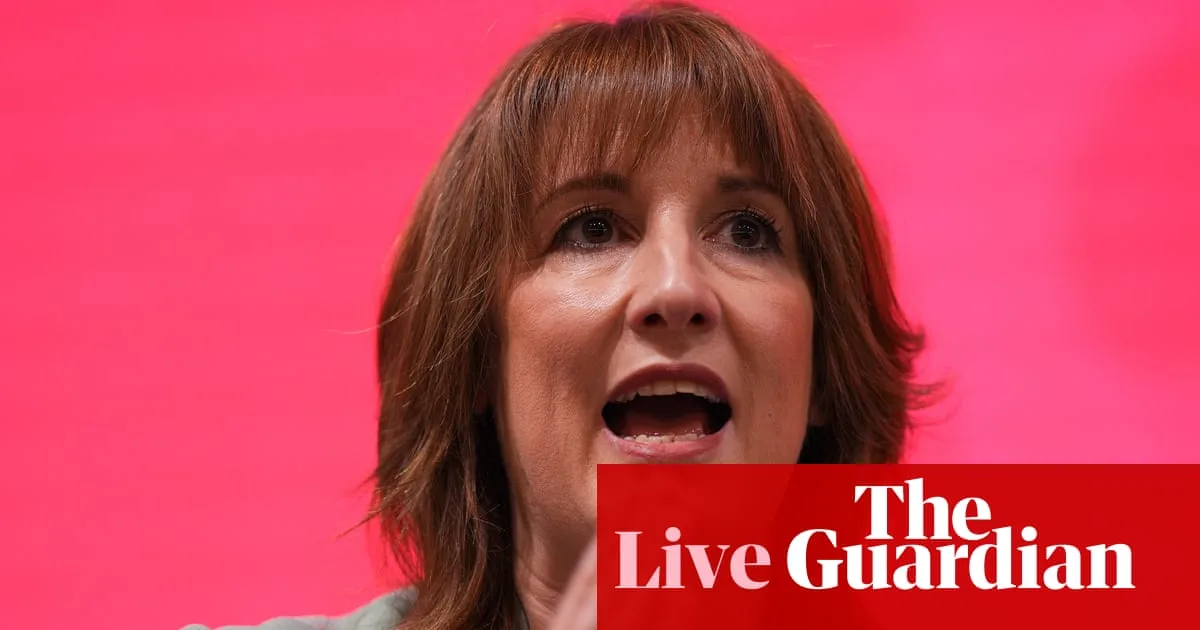
Chancellor Rachel Reeves has appeared to acknowledge that Britain's failure to support Donald Trump's military action against Iran could significantly harm ongoing UK-US trade talks. This admission comes amid escalating tensions between the two nations, with the US President expressing fury over Prime Minister Sir Keir Starmer's initial refusal to permit the use of British military bases for launching strikes on Iran.
Trump's Fury and Trade Threats
In his latest verbal assault on the Prime Minister, Mr Trump dismissed Sir Keir as 'not Winston Churchill' and accused him of being 'very, very uncooperative'. The US President has not hesitated to threaten fresh trade sanctions against countries that have withheld support for his strikes against Iran, having already declared the US is 'cutting off all trade' with Spain following criticism from its socialist Prime Minister Pedro Sanchez.
Sir Keir had announced an 'Economic Prosperity Deal' with Mr Trump in May last year, covering multiple industries including automotive, aviation and agriculture. However, certain elements of this agreement remain incompletely negotiated and unimplemented, while a separate UK-US technology partnership appears to have been temporarily paused.
Reeves' Stance on Military and Trade Separation
In an interview with Bloomberg, Ms Reeves firmly insisted that decisions regarding British military involvement should not be influenced by trade considerations. 'You cannot make a decision about whether to deploy British Armed Forces in a conflict based on whether it might improve or hinder trade deal prospects,' the Chancellor stated. 'We determined there was no legal basis for offensive action against Iran.'
Experts Warn of Significant Consequences
Geopolitical analysts have issued stark warnings about the potential repercussions. Sophia Gaston, a geopolitical analyst at King's College London, told Politico: 'The downstream risks for Britain here are enormous. We currently lack any viable economic or security alternative to the United States as our crucial partner, and our principled position may prove extremely costly.'
Ms Gaston cautioned that while the current dispute shouldn't be viewed as 'a death knell in any way' for the special relationship, it does represent 'a substantial test' requiring offsetting through active diplomacy, including increased UK defence spending. 'Trump is an exceptionally thin-skinned individual who takes matters personally,' she continued. 'He will likely decelerate progress on various discussions and make the coming months challenging.'
Transatlantic Rift and Partial Policy Reversal
The transatlantic disagreement originated from Sir Keir's initial denial of American requests to utilise British military bases for operations against Iran over the weekend. The Prime Minister subsequently performed a partial policy reversal after Tehran launched retaliatory strikes across the Middle East, targeting British military installations and UK allies in the region with drones and missiles.
Late on Sunday, Sir Keir announced he had approved an American request to use UK bases specifically for protecting British nationals and allies in the Middle East. The Prime Minister emphasised this permission was granted solely for the 'specific and limited defensive purpose' of targeting Iran's missile storage facilities and launchers.
Broader Diplomatic Implications
Reform UK leader Nigel Farage asserted following the US President's criticism of the Prime Minister that the so-called 'special relationship' is now 'broken', adding that Anglo-American relations are 'at their worst point in approximately seventy years'. Mr Trump had previously referenced requests to use military facilities including the base on Diego Garcia in the Indian Ocean and RAF Fairford in Gloucestershire, which accommodates US heavy bombers.
The situation underscores the delicate balance between maintaining diplomatic principles and preserving crucial economic partnerships, with potential long-term implications for UK foreign policy and international trade relationships.




