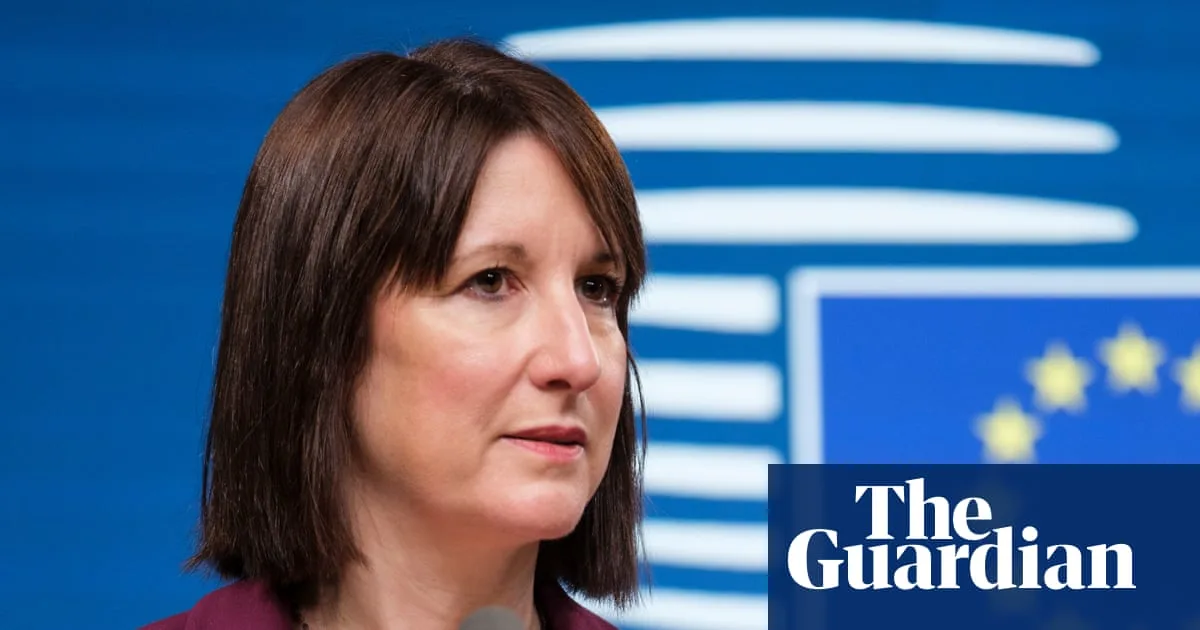
Chancellor Reeves Declares EU Integration as Brexit's 'Biggest Prize' in Major Shift
Reeves: EU Integration is Brexit's 'Biggest Prize' in Shift

Chancellor Rachel Reeves is set to announce that the Labour government will aggressively pursue the reversal of Brexit's most damaging elements, boldly stating that closer integration with the European Union represents the "biggest prize" in a significant policy shift. In a speech scheduled for Wednesday at the London School of Economics, Reeves will argue that the UK must deepen its ties with the EU, one of the world's major economic blocs, to navigate global turbulence effectively.

Reeves' Vision for EU Relations

Reeves, who previously campaigned for a second referendum to halt Brexit, will emphasize that while relationships with the United States and China remain crucial, neither surpasses the importance of the partnership "on our doorstep." This stance signals an intention to go far beyond the reset in UK-EU relations initiated last year by Prime Minister Sir Keir Starmer, aiming for a more profound economic and political alignment.

In her address, Reeves is expected to say: "A closer economic relationship with the EU isn't about choosing sides but about geography. There are three big economic blocks: US, China and Europe. We will always seek every opportunity to grow our economy and these trading relationships but ultimately only one of these is on our doorstep, and so the biggest prize is closer integration with Europe."

Internal Party Dynamics and External Pressures

This declaration follows recent comments from Labour London Mayor Sir Sadiq Khan, who described reversing Brexit as the "ultimate goal," highlighting a growing pro-EU sentiment within the party. Both Reeves and Starmer have positioned Brexit as a key dividing line with Nigel Farage's Reform party ahead of the next election, underscoring its political significance.

Additionally, many observers believe that the removal of former Downing Street chief of staff Morgan McSweeney, following a scandal involving the hiring of disgraced peer Peter Mandelson despite his links to paedophile Jeffrey Epstein, has eliminated a major obstacle to reversing Brexit. This change has opened the door for more ambitious EU-focused policies.

Government Talks and Manifesto Constraints

Despite manifesto red lines against rejoining the EU, its single market, or customs union, the government is actively engaged in talks on multiple fronts. These discussions include closer alignment on defence, regulatory frameworks, and a proposed youth visa scheme to facilitate easier movement for Britons and Europeans working and living abroad.

Cabinet Office minister Nick Thomas-Symonds, one of Sir Keir's most trusted lieutenants, is leading these negotiations. Reeves' speech coincides with her preparations for the spring statement update, as she seeks new avenues to boost economic growth after a period of stagnation under her leadership.

Scandals and Political Challenges

The intervention comes amid efforts by Sir Keir to rejuvenate his government following the Mandelson scandal and a fresh controversy involving his former aide Lord Matthew Doyle, who was elevated to the House of Lords despite campaigning for a paedophile. Sir Keir recently thwarted an attempted coup when Scottish leader Anas Sarwar called for his resignation, but he now faces pressure to rebuild support among Labour MPs, where a pro-EU stance is widely popular.

Earlier this week, health secretary Wes Streeting released private messages criticizing Reeves' economic policy, with Lord Mandelson noting, "We don't have a growth strategy," in a scathing assessment of the chancellor's approach. This internal dissent underscores the challenges Reeves faces in unifying the party behind her vision.

Shift in Tone and Parliamentary Developments

Reeves' speech marks a notable shift in tone, as she had previously discouraged colleagues, including Streeting, from advocating for customs union membership. However, the Liberal Democrats recently won a parliamentary vote with Labour rebel support, backing a return to the customs union, indicating growing momentum for closer EU ties.

Contrastingly, at last month's World Economic Forum summit in Davos, Reeves urged cabinet colleagues to cease floating ideas of a closer union, insisting Britain could not "go back in time." This apparent contradiction highlights the ongoing debate within the government over the extent of EU integration.

As Labour navigates these complex issues, Reeves' emphasis on EU integration as the "biggest prize" sets the stage for a potentially transformative period in UK-EU relations, with significant implications for the economy, politics, and the broader Brexit landscape.




