

Rachel Reeves Champions Closer EU Ties as 'Biggest Prize' for UK Economy
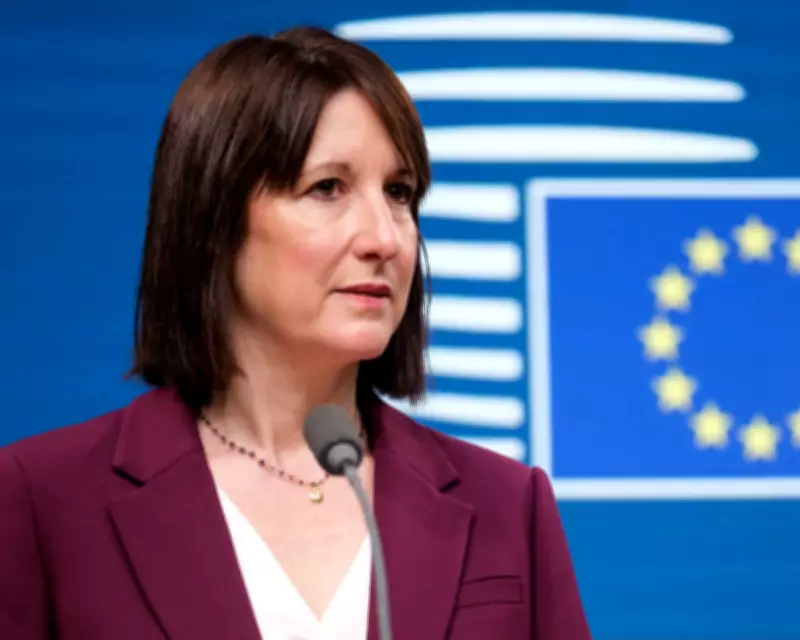
Chancellor Rachel Reeves has emphatically declared that the Labour Party can successfully argue for a closer relationship with the European Union, describing it as the "biggest prize" for boosting UK economic growth. Speaking at a London event on European security organised by the Bruegel thinktank, Reeves underscored the strategic importance of aligning more closely with the bloc, despite internal party caution over alienating pro-Brexit voters.
Economic Gravity and Trade Realities
Reeves highlighted the undeniable economic reality of the EU's geographical proximity, stating that "economic gravity is reality, and almost half of our trade is with the European Union." She acknowledged efforts to forge trade deals with countries like India, the US, and South Korea but stressed that none would match the potential of enhanced European relations. "I'm all up for doing deals with India and the US and South Korea, but none of them are going to be as big as what we can get with better trade relations with Europe," she added, reinforcing her commitment to prioritising EU ties.
Sectoral Alignment and Political Strategy
When questioned by Bruegel director Jeromin Zettelmeyer about the possibility of a Swiss-style agreement involving adherence to EU rules and standards, Reeves responded positively. "Further integration will require further alignment, but I'm up for that," she said, indicating a willingness to explore sector-specific agreements. She elaborated that alignment could be achieved unilaterally or through negotiation, presenting "big opportunities" for the UK. This stance echoes recent comments by Prime Minister Keir Starmer, though both have ruled out rejoining a customs union or single market, as outlined in Labour's election manifesto.

Progress and Future Plans
Reeves pointed to ongoing discussions with Brussels under Labour's UK-EU "reset," including a food and farming agreement, a youth mobility scheme, and participation in the EU's carbon border adjustment mechanism. She described these as merely "first base," with a review of the 2020 Trade and Cooperation Agreement scheduled for later this year and a summit on the reset expected in the coming months. Additionally, she emphasised the importance of collaboration with the EU on defence procurement, warning that "Russia is not going to sit on the sidelines and wait for the next Ecofin meeting."
Political Opposition and Economic Context
Shadow Chancellor Sir Mel Stride criticised Reeves and Starmer, accusing them of wanting to "row back on Brexit since day one" and blaming external factors for economic challenges. Reeves, however, remained optimistic, citing falling interest rates and recent productivity growth signs. Her comments came ahead of official economic data release for late 2025, with the Treasury hopeful for an upturn after six interest rate cuts.
In summary, Reeves' advocacy for closer EU ties centres on economic pragmatism, leveraging the bloc's proximity for trade advantages while navigating political sensitivities within Labour and broader Brexit debates.






