
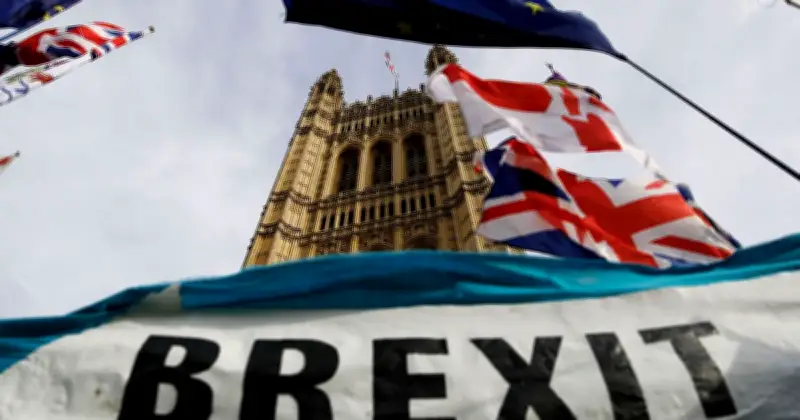
Later this month marks the 10th anniversary of the Brexit referendum, when Britain voted to leave the European Union. The BBC has found itself at the center of a new controversy, accused of bias after stating that Brexit has damaged the economy. The broadcaster defended its November 2024 coverage following a listener complaint about impartiality. The corporation's Editorial Complaints Unit (ECU) dismissed the complaint, noting that the "consensus among economists" supports the view that Brexit negatively impacted the economy. Brexiteers have criticized the BBC for being "utterly blinkered by their own groupthink."
What Is Your Opinion?
Do you believe Brexit has harmed the economy? Cast your vote in our poll and join the discussion in the comments section below.
The complaint arose after Bank of England Governor Andrew Bailey appeared on BBC Radio 4's Today programme. He stated that Brexit is a key reason for the UK economy's underperformance. Labour's former chief secretary to the Treasury, Liam Byrne, and former Bank of England deputy governor Sir John Gieve echoed his views. The interviewer, BBC Europe editor Katya Adler, did not challenge their assertions, according to The Telegraph.
ECU Ruling and Criticism
A listener argued that the segment breached BBC impartiality rules. However, the ECU countered, stating: "Although the guests agreed with Mr Bailey’s observation that Brexit had had a negative effect on the UK economy to date, this was consistent with the consensus among economists and, so far as the ECU was aware, there was no significant body of economic opinion in support of the view that the economic effects had been positive or even neutral."
The complaint was partially upheld on a lesser issue: Ms Adler did not "acknowledge the alternative case" for improving the economy by pursuing opportunities outside the EU, rather than seeking closer alignment with the bloc. ECU chief Fraser Steel noted in a letter that he did not see "a departure from impartiality in the shared assumption that [Mr Bailey]’s diagnosis was broadly correct."
Lee Anderson, chairman of Reform UK, told The Telegraph: "It’s no surprise that the BBC has a totally one-sided view of Brexit, they are utterly blinkered by their own groupthink."
A BBC spokesman responded: "The BBC has no view on the economic impact of Brexit and nothing in this finding suggests otherwise. The response sets out the context around the item in question, and simply explains the consensus among economists as one of the reasons for not upholding this part of the complaint."
As the 10-year anniversary approaches, the debate over Brexit's economic impact continues to divide opinion.




