Myanmar's Military-Backed Party Declared Election Winner Amid Constitutional Maneuvers
Myanmar Military-Backed Party Wins Election Amid Army Control

Myanmar's Military-Backed Party Secures Election Victory Amid Constitutional Changes

Myanmar's military-backed political party has been officially declared the winner of the recent national election, according to final figures released on Wednesday. The announcement coincides with significant constitutional developments that appear designed to maintain military influence within the country's governance structures.

Constitutional Framework and Election Results

The Union Solidarity and Development Party (USDP), led by former military generals, secured victory in what was widely anticipated to be a controlled electoral process. The election excluded major opposition parties and imposed severe restrictions on political dissent, creating conditions favourable to military-aligned candidates.

According to the final figures from the Union Election Commission, the USDP won 339 of the total 586 seats in the national parliament. When combined with the 166 seats automatically allocated to the military under Myanmar's constitution, this gives military-aligned forces control of approximately 86% of the legislative body. Twenty-one other parties secured between one and twenty seats each, representing minimal opposition presence.

Military Leadership and Constitutional Constraints

Senior General Min Aung Hlaing, who heads the military government, had been widely expected to assume the presidency when the new parliament convenes. However, Myanmar's constitution presents a significant obstacle: it prohibits the president from simultaneously serving as commander-in-chief of the armed forces, which remains the country's most powerful position.

This constitutional limitation has raised substantial questions about whether Min Aung Hlaing would be willing to relinquish his military command to assume the presidency, creating uncertainty about the future leadership structure.

Creation of New Consultative Body

The potential resolution to this leadership dilemma emerged on Wednesday when Min Aung Hlaing signed into law legislation authorising the creation of a new Union Consultative Council. This body, announced to coincide with the release of final election results, could provide an alternative mechanism for maintaining military influence without requiring formal government leadership.

According to the law published in the state-run Myanma Alinn newspaper, the new president will have authority to form the council with at least five members, including a chairman. The council's stated functions include advising and coordinating on matters of national security, international relations, peace processes, and legislation, while theoretically not interfering with executive or judicial powers.

Historical Context and International Response

This development represents the latest in a series of parallel governance structures established by the military since the army seized power in 2021 from the elected government led by Aung San Suu Kyi. That takeover plunged Myanmar into widespread unrest and armed resistance that has since evolved into a full-scale civil war.

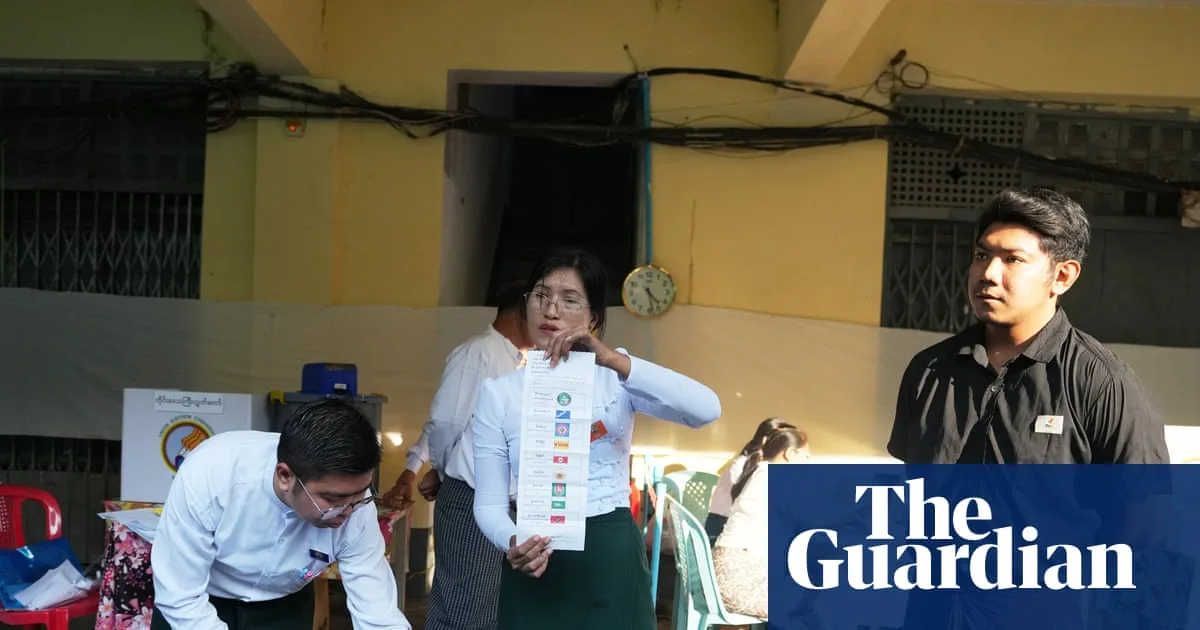
The election itself took place in three phases during December and January across 263 of the country's 330 townships, with approximately one-fifth of townships unable to conduct voting due to ongoing conflict. According to military reports, more than 13 million voters participated, representing about 54% of eligible voters.

International observers have been highly critical of the electoral process. United Nations human rights chief Volker Türk issued a statement marking the anniversary of the military takeover, declaring that the election failed to respect fundamental rights and served only to exacerbate violence and societal polarization.

Türk reported widespread voter coercion, including fears of forced conscription, loss of food access, and administrative penalties. He characterized the military's five-year rule as being defined by repression of political dissent, mass arbitrary arrests, arbitrary conscription, widespread surveillance, and severe limitations on civic space.

Future Political Developments

According to separate reports in Myanma Alinn, Min Aung Hlaing informed visiting Russian Security Council Secretary Sergey Shoigu during meetings in the capital Naypyitaw that parliament will convene in the third week of March to elect a new president. This timeline suggests rapid movement toward establishing the new government structure.

The creation of the Union Consultative Council represents a strategic move by Myanmar's military leadership to maintain control while navigating constitutional limitations. By establishing this advisory body with potentially significant influence over key policy areas, the military appears to be creating mechanisms to ensure continued dominance regardless of formal government positions.

As Myanmar moves forward with this new political arrangement, questions remain about the practical distribution of power between formal government institutions and parallel military structures, and how this will affect the country's ongoing civil conflict and international relations.




