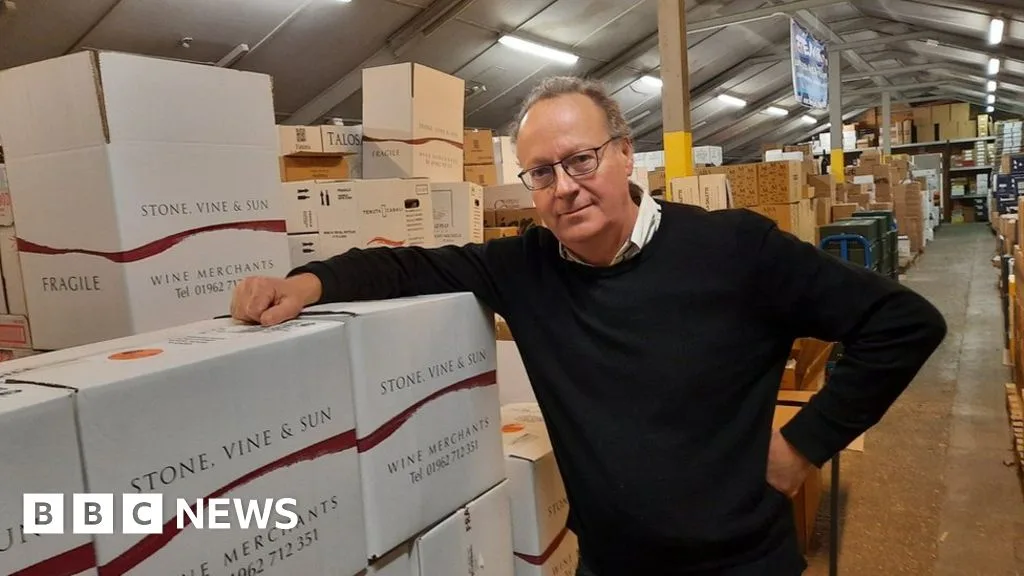
Ministers Stockpiled French Wine Before Brexit Deadline Amid No-Deal Fears
Ministers Stockpiled French Wine Before Brexit Deadline

Ministers Stockpiled French Wine and Tinned Tomatoes as No-Deal Brexit Loomed

Ministers and senior officials engaged in panic buying of French wine and European tinned tomatoes in the days leading up to the Brexit deadline, as fears mounted that Britain would leave the European Union without a trade agreement. This frantic stockpiling occurred as the country came perilously close to a no-deal exit under the leadership of then-Prime Minister Boris Johnson, with concerns that imported goods could become scarce and prices could skyrocket.

Revelations from the Heart of Government

Although a last-minute deal was eventually secured, government figures and officials closely involved in the fraught negotiations ensured they were well-supplied with their favourite foods and beverages. The tense atmosphere was described by Helen MacNamara, former deputy cabinet secretary, and Cleo Watson, ex-No 10 special advisor, on the Independent podcast In The Room.

"Planning for a no-deal exit meant preparing for a scenario where importing goods from the EU would become very problematic," MacNamara explained. "At that point, those of us who were very close to the negotiations were all busy buying unfeasible amounts of chopped tomatoes, olive oil, and French wine."

Wide Pickt banner — collaborative shopping lists app for Telegram, phone mockup with grocery list

She noted that the confidence levels of civil servants and ministers could be gauged by the quantity of European domestic goods they were importing, primarily wine, chopped tomatoes, and olive oil. This behaviour highlighted the deep uncertainty surrounding the outcome of the talks.

The Threat of a No-Deal Brexit

The spectre of a no-deal Brexit loomed large over the United Kingdom as successive rounds of negotiations between Brussels and Boris Johnson's team broke down. The government faced immense pressure to finalise a free trade agreement with Brussels before the critical deadline of 11pm on 31 December 2020, when Britain was scheduled to exit the EU's single market and customs union.

Throughout the year, talks deteriorated, with both the EU and UK expressing pessimism about reaching an agreement. The EU's chief negotiator warned against issuing ultimatums or threats, stating, "I don't think we've got time for these games." This stalemate heightened anxieties about the potential consequences.

Potential Economic Fallout

Had Britain left the trading bloc without a deal, the country would have immediately transitioned to World Trade Organisation terms for its commercial relationship with its largest and closest trading partner. This shift would have essentially resulted in the imposition of tariffs on a wide range of imports and exports between the UK and the EU, disrupting supply chains and increasing costs for consumers.

The stockpiling of essentials like French wine and tinned tomatoes by ministers and officials underscores the genuine fear of food shortages and economic disruption that pervaded the highest levels of government during this critical period. These actions reveal the personal preparations made by those at the centre of the negotiations, reflecting the broader national apprehension about a no-deal Brexit scenario.

Pickt after-article banner — collaborative shopping lists app with family illustration




