

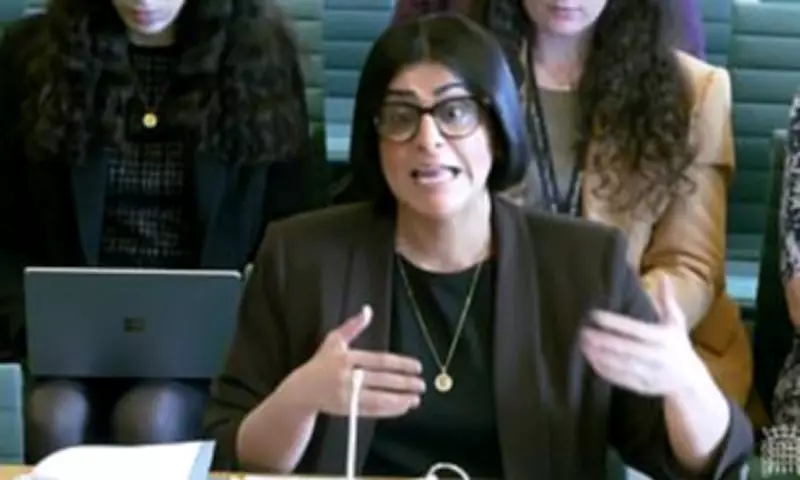
Home Secretary Shabana Mahmood has publicly contradicted the Prime Minister's claim that Britain's departure from the European Union is responsible for the ongoing Channel migrant crisis. In a significant political divergence, the senior Labour figure stated she 'doesn't think it's true' that Brexit either caused the small boat crossings or made deporting migrants more difficult.
Direct Contradiction of Prime Minister's Position
During evidence presented to the Commons' home affairs select committee on Wednesday, Ms Mahmood directly challenged the narrative that Brexit created the conditions for the small boat phenomenon. Her comments stand in stark opposition to remarks made by Sir Keir Starmer last October, when the Labour leader described the vessels as 'Farage boats, in many senses, that are coming across the Channel.'
Questioning the Effectiveness of Previous Agreements
The Home Secretary cast doubt on whether the previous EU returns agreement, known as the Dublin regulation, functioned as intended. 'I would just dispute whether Dublin actually worked as was intended,' she told MPs. 'The EU have now themselves created a new pact because their own arrangements were not working as intended.'

Ms Mahmood elaborated further, suggesting the connection between Brexit and the boats was overstated. 'The idea that this has happened because we've lost the access to Dublin and the returns agreement with the EU, I think that's too much of a stretch,' she asserted, describing the small boat journeys as 'a new phenomenon.'
Revealing Statistics on Migration Deals
The Home Secretary provided revealing statistics about the current 'one in, one out' arrangement with France, admitting the reciprocal treaty has 'obviously not dented the numbers yet.' She disclosed that while 367 migrants have entered the UK under the treaty's terms, only 305 have been removed, highlighting the ongoing challenges in managing migration flows.
No Guarantee on Future Asylum Reform Success
Significantly, Ms Mahmood declined to offer any commitment that Labour's proposed asylum reforms would begin reducing small boat arrivals by next year. This cautious stance suggests the government recognizes the complexity of addressing what has become one of Britain's most persistent political challenges.
The Prime Minister had previously argued that Brexit impacted migration management, stating last October: 'I would gently point out to Nigel Farage and others that before we left the EU, we had a returns agreement with every country in the EU and he told the country it would make no difference if we left. He was wrong about that.'
Sir Keir Starmer had suggested that Brexit complicated returns to France because Britain no longer participated in the Dublin regulation, which technically allowed asylum seekers to be returned to European countries they had previously travelled through.
Ms Mahmood concluded her evidence by separating the migration issue from broader Brexit debates: 'I'm sure there's lots of other debates we had about the rights and wrongs of Brexit. But is Brexit responsible for the boats? I don't think that's true.' Her comments represent a notable departure from previous Labour positioning on the relationship between Brexit and migration challenges.






