
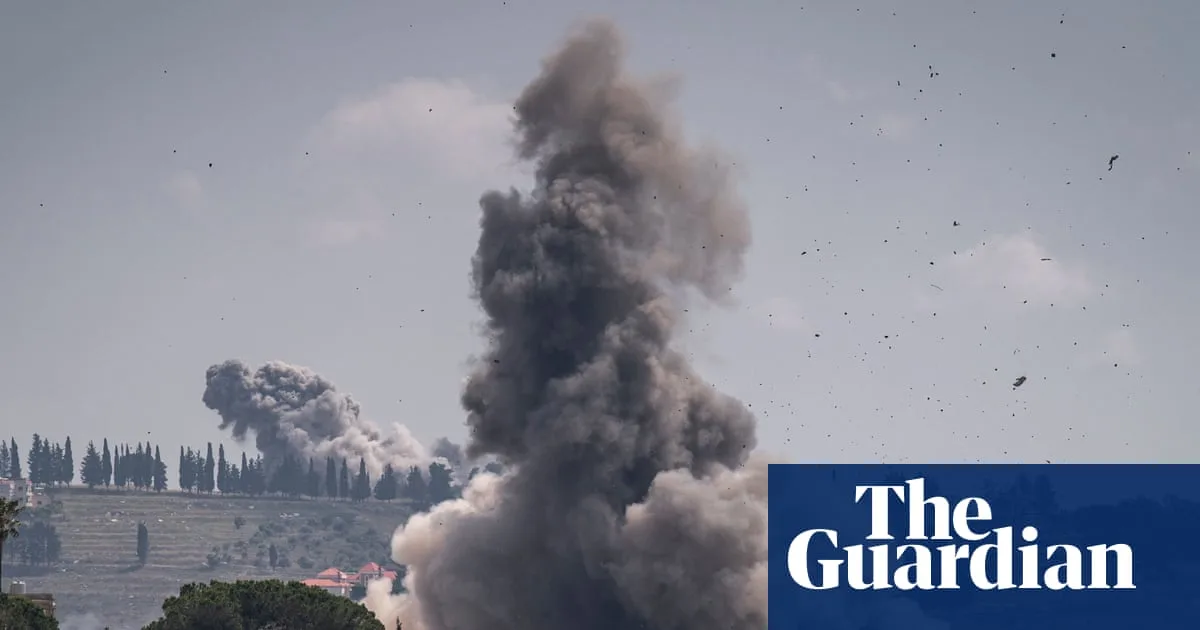
Israeli warplanes launched dozens of airstrikes across southern Lebanon on Tuesday, despite a US-brokered agreement aimed at bolstering the tattered ceasefire. The strikes came a day after US President Donald Trump claimed he had halted an imminent Israeli attack on Beirut and secured commitments from both Israel and Hezbollah to stop shooting.
Lebanon's state-run National News Agency reported 30 Israeli strikes across the south. Near Sidon, rescuers recovered the bodies of six members of the same family, including two children and a woman. The Israeli military also issued a new evacuation warning for the southern city of Nabatiyeh, accusing Hezbollah of violating the ceasefire.
The escalation threatens US efforts to reach a broader ceasefire with Iran. Trump denied reports that Tehran had paused negotiations, stating that conversations had been continuous. Hezbollah has not claimed recent strikes on Israel but said it attacked Israeli troops who had pushed into Lebanon to establish a security zone.
Over the weekend, Israeli troops raised their flag over Beaufort Castle, marking their deepest incursion since the 1982-2000 occupation. Hezbollah responded with deeper rocket attacks into northern Israel. Netanyahu ordered strikes on Beirut's southern suburbs, citing Hezbollah's repeated ceasefire violations.
According to Axios, Trump called Netanyahu 'fucking crazy' for risking peace talks with Iran, though Israeli Channel 12 contested this, saying the two agreed Netanyahu would refrain from attacking Beirut suburbs if Hezbollah ceased attacks. Israel's Defence Minister Katz said Washington endorsed the principle of striking Beirut's suburbs if Hezbollah attacked again.




