
Iceland has announced a referendum on whether to resume European Union membership talks, set for 29 August. The decision follows US President Donald Trump's threats to invade Greenland, Iceland's closest neighbour, which heightened geopolitical focus on the Arctic. The vote marks a potential shift for the Nordic island, which applied to join the EU in 2009 after its financial crash but suspended negotiations in 2013 pending a public mandate.
The country remains divided on the issue. Recent polls show 54% oppose joining the EU, while 46% are in favour; however, 53% support restarting negotiations. Both sides invoke Brexit as a cautionary tale. Pro-EU figures, including Foreign Minister Þorgerður Katrín Gunnarsdóttir, warn against the misinformation that marred the UK's 2016 campaign. Conversely, Eurosceptics point to the UK's difficulties leaving the bloc as a reason to stay out, arguing that the EU made departure painful.
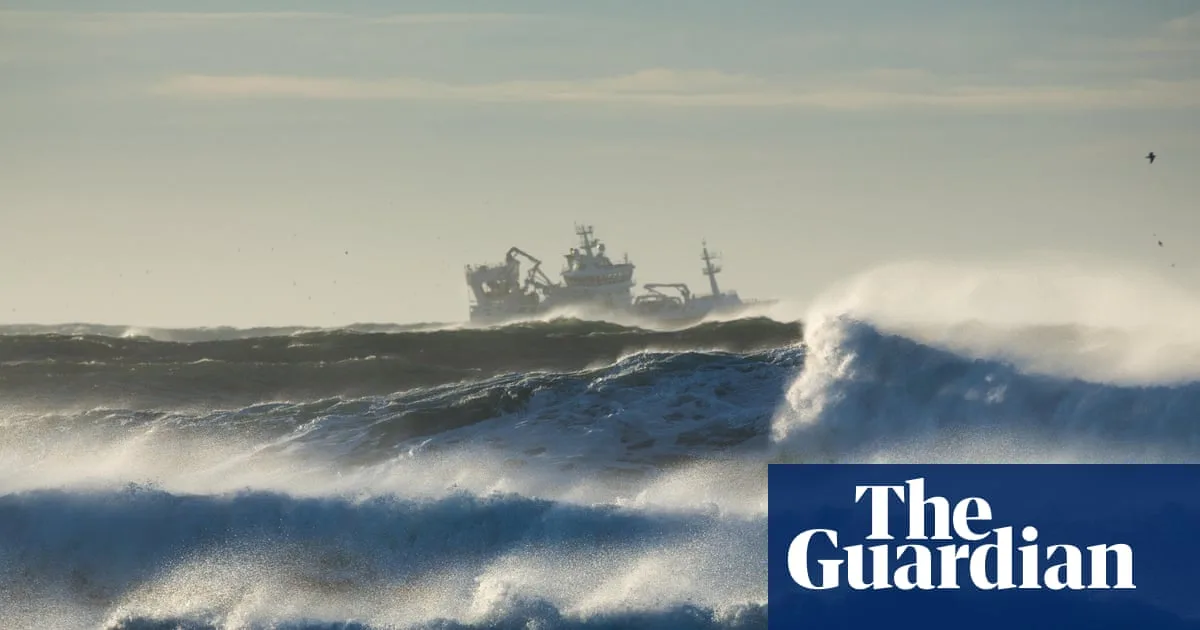
Key topics in the debate include Iceland's valuable fisheries—worth 1,059 billion Icelandic Króna (€7.3 billion) in 2023—and the potential adoption of the euro to stabilise an economy prone to high inflation and unpredictable interest rates. Pro-EU advocates note that the EU has hinted at fisheries exemptions for Iceland, but the issue remains contentious. The referendum itself is only the first step: if voters say yes, a second vote will decide whether to accept any negotiated terms of entry.
Experts warn of a polarising campaign, with extreme voices dominating and voters lacking clear information. The use of artificial intelligence tools to influence opinions adds to concerns about misinformation. Despite the potential benefits of EU membership, many Icelanders value their independence, and the outcome remains uncertain as the country prepares for what could be a defining moment.




