

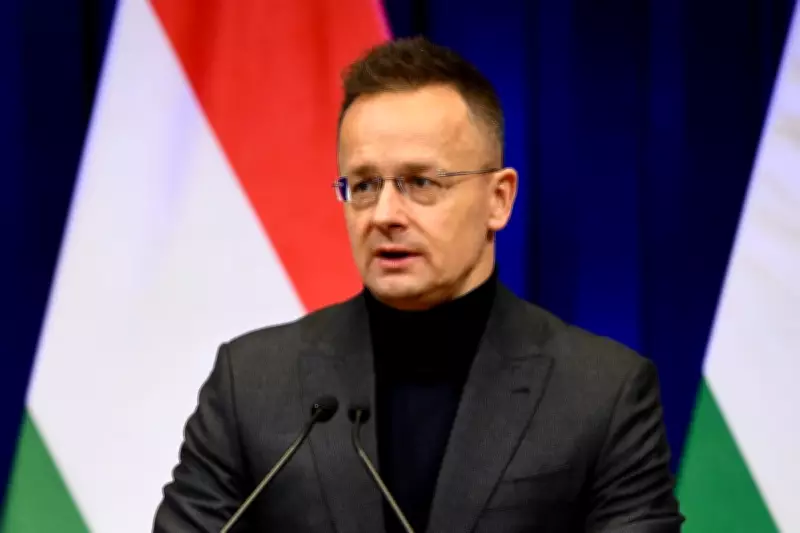
Hungary has declared it will block a major European Union loan to Ukraine worth 90 billion euros, equivalent to approximately 106 billion US dollars, until the flow of Russian oil through the Druzhba pipeline is restored. This announcement was made by Hungary's Foreign Minister Péter Szijjártó in a video posted on social media on Friday evening, February 21, 2026, intensifying a dispute over energy supplies and wartime assistance.
Pipeline Disruption and Accusations
Russian oil shipments to Hungary and Slovakia have been halted since January 27, 2026, following reports from Ukrainian officials that a Russian drone attack damaged the Druzhba pipeline. This critical infrastructure carries Russian crude oil across Ukrainian territory into Central Europe. Both Hungary and Slovakia, which hold temporary exemptions from an EU policy banning Russian oil imports, have accused Ukraine of deliberately obstructing supplies, though they have not provided any evidence to support these claims.
Hungary's Stance on Blackmail and Funding
In his video statement, Foreign Minister Szijjártó accused Ukraine of "blackmailing" Hungary by failing to restart the oil shipments. He emphasized that Hungary would not yield to this pressure and would block the interest-free loan approved by the EU in December to support Ukraine's military and economic needs over the next two years. "We do not support Ukraine's war, we will not pay for it," Szijjártó asserted, adding that as long as Ukraine blocks oil supplies, Hungary will obstruct EU decisions beneficial to Ukraine.

Broader Context and Regional Dynamics
This decision to block the key funding comes just two days after Hungary suspended diesel shipments to Ukraine until oil flows resume, and only days before the fourth anniversary of Russia's full-scale invasion on February 24, 2026. Since the war began in 2022, nearly every European country has significantly reduced or completely stopped Russian energy imports. However, Hungary, a member of both the EU and NATO, has maintained and even increased its reliance on Russian oil and gas.
Orbán's Pro-Russia Position and Economic Arguments
Hungary's nationalist Prime Minister Viktor Orbán has long argued that Russian fossil fuels are essential for the Hungarian economy, claiming that switching to alternative energy sources would trigger an immediate economic collapse. This view is disputed by some experts. Orbán, widely regarded as the Kremlin's strongest advocate within the EU, has consistently opposed EU sanctions against Moscow and criticized efforts to target Russia's energy revenues, which help finance the war. His government has repeatedly threatened to veto EU initiatives aimed at assisting Ukraine.
EU Loan Agreement and Opposition
Not all 27 EU member states agreed to participate in the 90-billion-euro loan package for Ukraine. Hungary, Slovakia, and the Czech Republic initially opposed the plan, but a compromise was reached where they did not block the loan and were assured protection from any financial repercussions. Despite this, Hungary's latest move to block the loan over the oil dispute marks a significant escalation in the ongoing tensions between Budapest and Brussels regarding support for Ukraine.






