
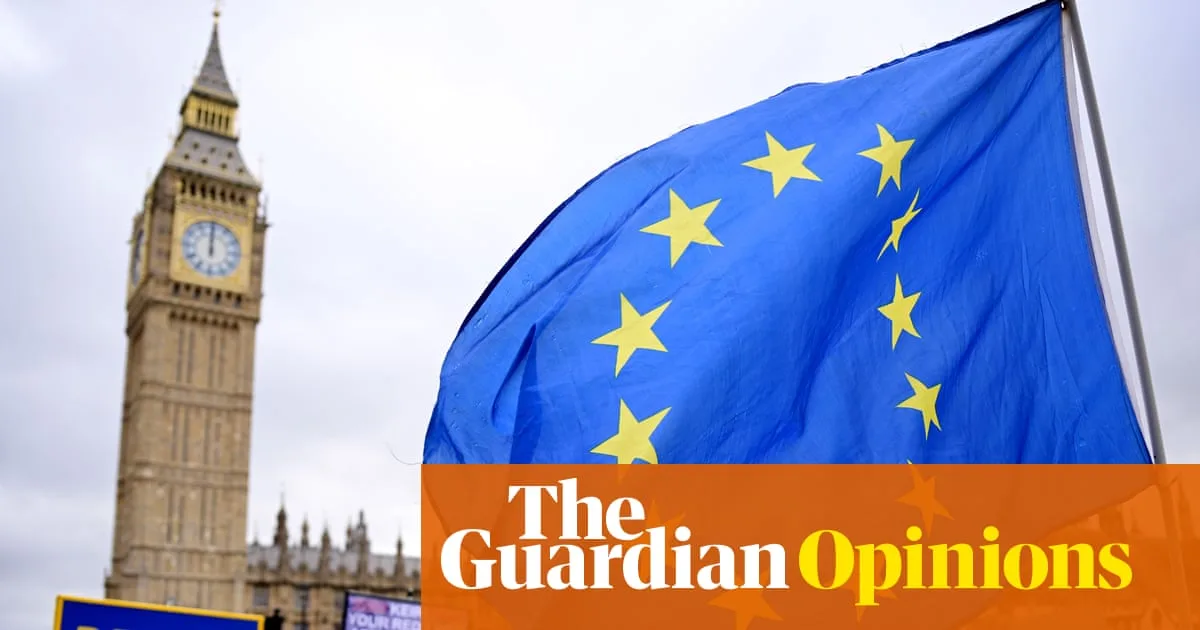
As the 10-year anniversary of the Brexit vote approaches, a Labour leadership contest is reigniting debate over EU membership. Polls indicate that four-fifths of Labour voters and an even higher proportion of party members now want to reverse the 2016 decision. Keir Starmer recently expressed a desire to put the UK back at “the heart of Europe”, while Wes Streeting called for full re-entry into the EU. Andy Burnham has rowed back from earlier hopes of rejoining, possibly due to the upcoming byelection in Makerfield, where a majority supported Brexit a decade ago.
Any hesitancy about revisiting Brexit is understandable given that it has consumed five prime ministers. However, if Labour leaders are serious about addressing the damage, they must avoid the Conservative error of assuming the UK could dictate terms. The EU proved more effective in negotiations, and polls show support for rejoining falls when voters are told it might mean replacing the pound or accepting unrestricted freedom of movement.
Yet the EU’s stance may soften. Roberta Metsola, president of the European parliament, recently said Britain is not a “pleading supplicant” but a former member that “needs to be treated as such”. Paul Adamson, who chaired the EU-UK Forum, noted: “A negotiation to rejoin would have its difficulties but none of us knows what’s possible because no one has really tried.”
The real obstacle is not EU hostility but Britain’s lack of political stability. Brussels knows that Nigel Farage could become prime minister and rip up any deal. This reflects a structural flaw in UK democracy: first-past-the-post elections, once seen as ensuring strong government, now produce volatility. A December 2025 estimate suggests that if the referendum were held again, leave would be defeated by 8 million votes. Pollster Luke Tryl says even northern working-class seats like Makerfield would now back remain.
The path to rejoining the EU may require electoral reform first. A more proportional voting system could produce stable governments capable of negotiating and sustaining a new relationship with Europe. Without such change, the cycle of division and reversal is likely to continue.




