

Westminster Considers Taxing Trump's UK Golf Courses Amid New US Tariff Threats
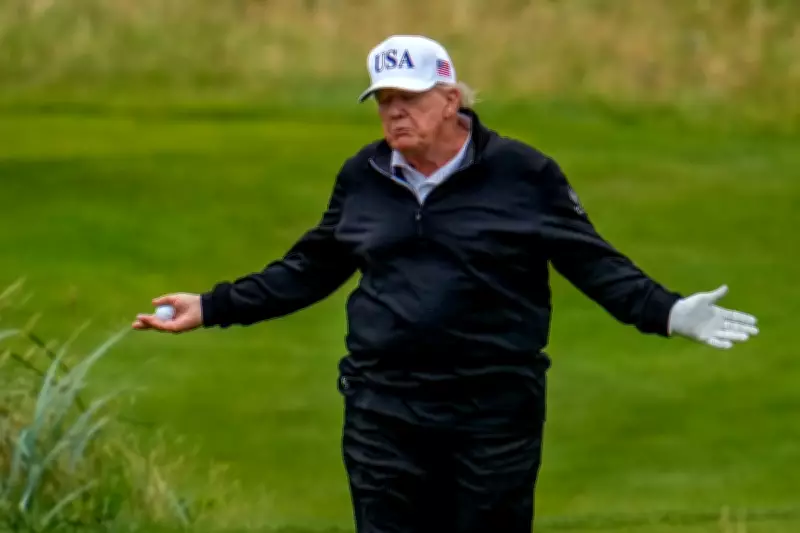
In a bold move, calls have emerged in Westminster to tax foreign-owned golf courses, specifically targeting US President Donald Trump's two Scottish resorts, following his threat of a 15% global tariff. This suggestion was put forward by Liberal Democrat Lord Wallace of Saltaire during a parliamentary session, as concerns mount over the potential impact of fresh trade levies on British exports.
Trump's Tariff Declaration and UK Business Concerns
President Trump, who owns Trump Turnberry in South Ayrshire and Trump International Scotland in Aberdeenshire, declared on Saturday that the tariff would be "effective immediately." This decision came after a Supreme Court ruling on Friday overturned his previous import tax regime. UK business leaders have warned that this move could result in a further 5% hike in fees on a "wide range" of goods exported to America, excluding those covered by a transatlantic trade deal.
Lord Wallace, alluding to Trump's ownership of the golf links, told the House of Lords: "We all know that President Trump is extremely transactional in his international relations. I know he respects those who bargain hard with him. Is the government considering imposing a new and hard tax on foreign-owned golf courses?" In response, business minister Lord Stockwood stated, "I am not aware that is part of the negotiation."

Government Response and Trade Negotiations
Earlier, Downing Street left open the possibility that the UK could impose reciprocal levies on American goods and services but insisted it was focused on "constructive engagement" with the White House, as a trade war would harm businesses. The House of Lords heard that Business Secretary Peter Kyle spoke to his US counterpart, Jamieson Greer, over the weekend, where he "underlined his concerns about further uncertainty for business and reinforced the need to honour the UK-US deal."
Britain had previously received the lowest tariff rate of 10%, and a subsequent agreement struck by Prime Minister Sir Keir Starmer and President Trump saw further carve-outs for cars, steel, and pharmaceuticals. Lord Stockwood emphasized, "We continue to engage with the administration at all levels. Our priority remains to secure the best possible outcome for British businesses."
Political Reactions and Economic Implications
The issue was raised in an urgent question by Tory former chancellor Lord Lamont of Lerwick, who said, "Will the minister not agree that following the Supreme Court judgment, the decision of the United States president to impose, even on a temporary basis, tariffs of up to 15 per cent is deeply damaging to confidence, both in this economy and also that of the United States?" In reply, Lord Stockwood insisted the actions of the Trump administration "does not affect our preferential treatment in key sectors like pharma, cars and steel."
He added, "The trade deal with the US remains the first and the best trade deal that the US has negotiated. While this weekend does just throw up some bumps in the road we remain confident." This development highlights growing tensions in UK-US trade relations, with potential retaliatory measures being considered to protect British interests.






