
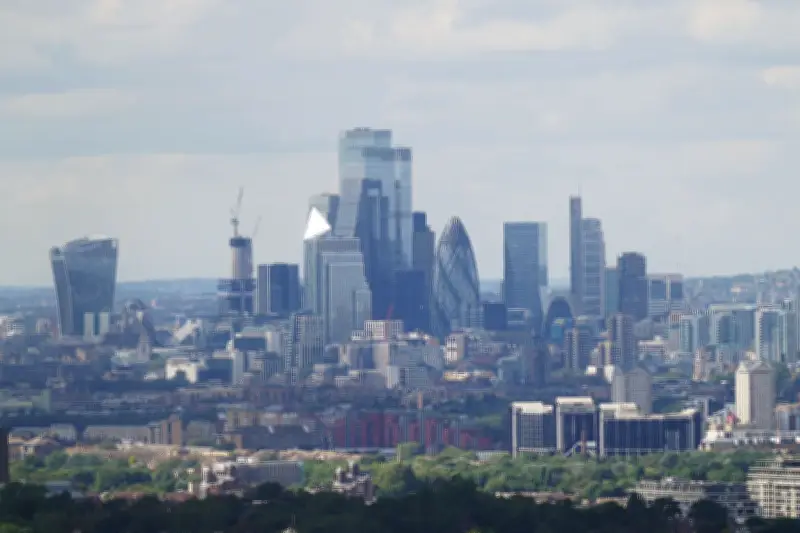
Andy Burnham was warned that backing TUC calls for a massive windfall tax on the City could trigger an exodus of bankers from London. The Trades Union Congress is urging the Prime Minister-in-waiting to increase taxes on the Square Mile by between £9 billion and £60 billion over four years as part of his radical rebalancing of Britain's economy.
Industry Warning on Competitiveness
UK Finance, representing over 300 firms from major banks to fintech companies, stressed that such a move would damage the City and lead to jobs moving to other financial centres. Andy Donald, director of communications at UK Finance, said: “Tax increases of the kind proposed by the TUC would run counter to the government's aim of strengthening the financial services sector, reduce our competitiveness and risk a shift of capital, investment and jobs to other jurisdictions. Banks based here pay a corporation tax surcharge and the bank levy, meaning the sector's tax burden is already significantly higher than in competitor jurisdictions.”
The UK banking sector paid more than £43 billion in taxes last year, he added, and supports nearly 400,000 high-quality jobs across the country.
TUC's Justification
TUC General Secretary Paul Nowak highlighted the huge profits made by banks: “Our big four banks in this country are making something like a billion pounds in profits every single week. We had a record year for bankers' bonuses last year in the City of London. I don't think it's unfair to ask those with the broadest shoulders to help out families who are going to struggle with heating bills.”
The TUC proposed three options for a new windfall tax on banks: reverse cuts to the bank surcharge from 3% back to 8% to raise £9bn over four years; raise an extra £24bn by hiking the surcharge to 16%; or raise an additional £60bn by increasing the surcharge from 3% to 35%, matching the level of the Conservatives' windfall tax on energy companies.
City and Business Opposition
A spokesperson for the City of London Corporation, the local authority for the Square Mile, said: “We reject calls to raise the banking surcharge and instead call for its removal. UK banks already face one of the highest tax burdens of any sector in the economy.” Rain Newton-Smith, chief executive of the Confederation of British Industry (CBI), said businesses could support Burnham if he followed a “positive, dynamic and collaborative approach that has helped public and private sectors drive growth in Manchester” at a national level, but warned “proposals for greater intervention in markets such as transport and utilities must avoid deterring investment.”
Burnham's Economic Masterplan
Burnham unveiled his economic masterplan on Monday, which would see tens of thousands of jobs moved out of Whitehall to the regions as part of what he hailed as the “biggest devolution of power in modern times”. London Mayor Sir Sadiq Khan would get more powers over homes and education, as would other regional mayors. A “No10 North” would be set up in Manchester to drive economic growth in the regions, which would get billions more in public funding, sparking a warning from Sir Sadiq not to cut investment in London.
In an attempt to reassure markets, Burnham promised his measures would be based on “the stability that comes from sound public finances” and “the discipline of our current fiscal rules”. The former Greater Manchester Mayor is set to become Prime Minister on July 20, unless there is a surprise challenger for the Labour leadership. Tory leader Kemi Badenoch said: “He needs to come to Parliament, tell us what he wants to do and face some questions from MPs, the people elected to hold the Government to account.”




