Lord Daniel Hannan, a prominent Leave campaigner, has accused Prime Minister Andy Burnham of plotting to reverse Brexit in order to humiliate Nigel Farage. Writing in the Daily Mail, Lord Hannan argues that Mr Burnham and his Remainer ministers are prepared to surrender British sovereignty, fishing rights and control over immigration in their determination to reverse the consequences of the 2016 referendum.
Lord Hannan, one of the leading figures in the campaign to leave the EU, writes: "Remain fanatics want to scrub away that memory, to advertise their cosmopolitanism, to own the gammons, to wipe the grin off Nigel Farage's face."
EU reset and trade concerns
His intervention comes as Mr Burnham pushes for a significantly closer relationship with Brussels. Lord Hannan questions why Britain should tie itself more closely to an economic bloc which, he argues, has struggled to deliver meaningful growth. He also challenges the Government's justification for the proposed arrangements, pointing out that Britain already has what he describes as the most comprehensive trade agreement the EU has struck with a country outside the accession process.
The peer is particularly critical of the proposed agreement on food standards, arguing that Britain is being forced to accept future EU regulations rather than securing a straightforward mutual recognition arrangement. He highlights figures from the Department for Environment, Food and Rural Affairs showing British exports to the EU in food and drink, live animals, plants and seeds are worth around £15billion annually, compared with £51billion in imports from the bloc. Lord Hannan argues that this imbalance should have given British negotiators considerable leverage, but claims ministers have instead accepted Brussels' demands.
Emissions scheme and student exchange
He also takes aim at plans for Britain to join the EU's emissions trading scheme, claiming the move could increase the prices paid by businesses exceeding their pollution allowances by between 15% and 20%, with the additional costs ultimately passed on to consumers. Another target is the decision to replace the UK's Turing Scheme with participation in the EU's Erasmus student exchange programme. Lord Hannan claims the arrangement will cost £570million next year, with further substantial payments to follow.
He also raises concerns about the proposed acceptance of hundreds of new EU laws annually, arguing Britain will have little meaningful influence over regulations it is expected to follow.
Deportation commitment and political impact
Among his most serious criticisms is an alleged commitment in a leaked draft agreement concerning the deportation of foreign criminals. According to Lord Hannan, the document states that Britain "commits not to proceed with such removals and deportations [of criminals to their EU country of origin] in the future". He describes the overall arrangement as a diktat rather than a negotiated agreement, accusing ministers of approaching Brussels from a position of embarrassment over Brexit rather than defending Britain's interests.
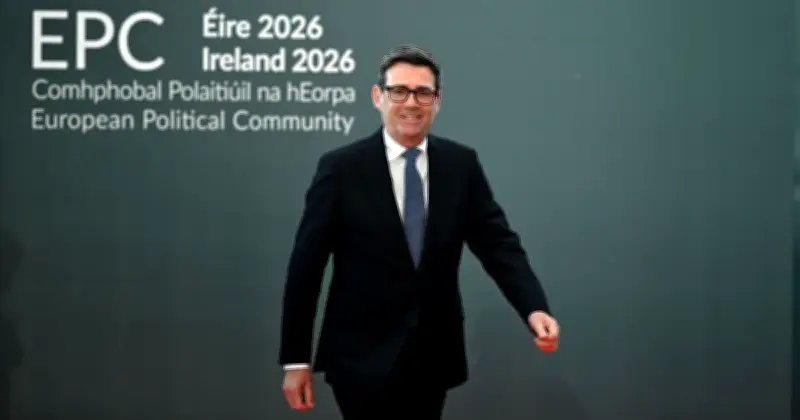
Mr Burnham has made no secret of his desire for closer relations with Europe. Speaking at the European Political Community summit in Dublin last week, he said Britain had suffered from a harder Brexit than voters expected. He has also suggested the UK should examine its long-term relationship with the bloc, refusing to rule out more ambitious arrangements.
The Prime Minister maintains that closer cooperation could help economic growth and ease the cost of living, but Lord Hannan believes the political consequences could be considerable, particularly if Nigel Farage and Reform UK are able to portray the proposals as an attempt to overturn the referendum result.