
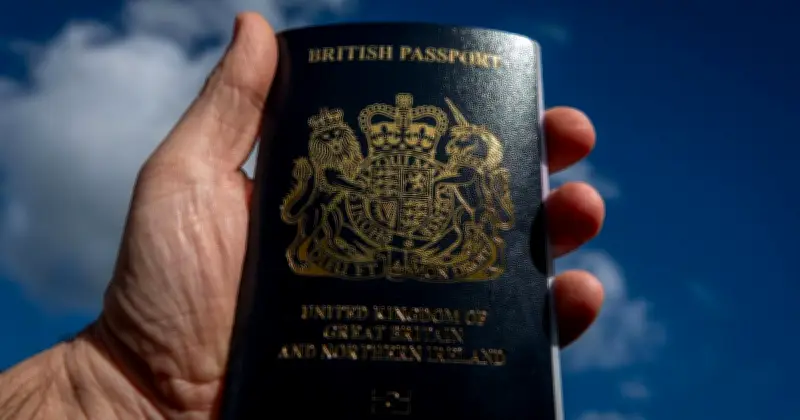
British travellers have been issued a crucial warning regarding their passports, as many remain unaware of a post-Brexit rule that could lead to holiday disappointment. The regulation, which applies to most European Union countries, requires that a passport be less than 10 years old on the day of entry. Even if a passport has not yet expired, it may be deemed invalid if it was issued more than a decade ago.
Understanding the 10-Year Rule
The rule stems from changes following the UK's departure from the EU. Previously, passport holders could benefit from extra months added to renewed passports, but this is no longer the case when travelling to European or Schengen area countries. Travellers are advised to visit the GOV.UK website to check specific entry requirements for their destination.
Passports issued after September 2018 are typically valid for exactly 10 years and are not affected. However, those with older passports must verify their validity before travelling.
Additional Entry Requirements
When returning from an EU or Schengen country, travellers should also ensure their passport has at least three months' validity remaining from the date of their return journey. Rules vary for non-EU countries, making it essential to check GOV.UK for each destination.
The warning comes after social worker Bolaji Omisade was denied boarding at London Gatwick Airport for a family holiday to Greece. Her passport had been issued over 10 years earlier, despite not being expired. She told creatorzine.com: “Until that moment, I had absolutely no idea this rule existed.” As a result, her husband flew with their two older sons, while she returned home with their youngest.
The UK Government's foreign travel advice, including entry requirements, safety, and health risks, is available on GOV.UK.




