
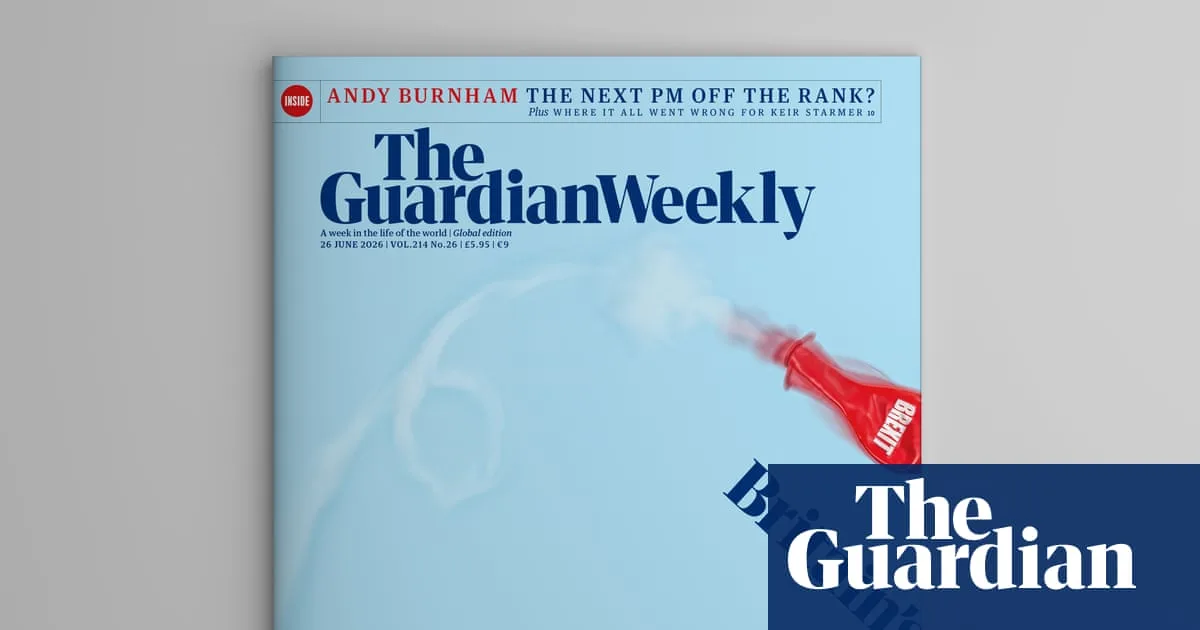
Ten years after the Brexit referendum, Britain faces yet another change in leadership as Keir Starmer steps down, marking the seventh prime minister in a decade. The anniversary highlights deep political fractures and unmet expectations for Britain's post-EU global role.
The rise of Reform UK, the populist party born from the Brexit movement, has put pressure on mainstream parties. Political analysts note that the vote in 2016 has left the country volatile and impatient for change, with many feeling that promises of a brighter future have not materialised.
Economic discontent remains high, with senior economics correspondent Richard Partington reporting that Brexit has not delivered the anticipated benefits. Trade barriers and labour shortages have hindered growth, while the government struggles to define its new international identity.
Andy Burnham, the former mayor of Manchester often called the “king of the north,” is expected to take over as prime minister. Known for his success in regional politics, Burnham represents a shift away from Westminster's recent turmoil, though his ability to address Brexit’s legacy remains untested.
The anniversary has also sparked reflection on the political sideshows of the referendum campaign, with a quiz in the Guardian Weekly testing memories of obscure moments. As Britain enters its next chapter, the question of whether the nation can finally overcome its lost decade hangs in the balance.




