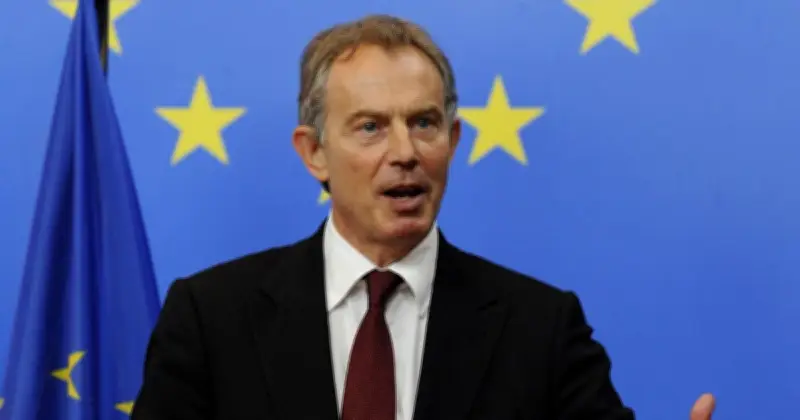
Sir Tony Blair wants the UK to overturn the 2016 Brexit referendum result and rejoin the European Union, a move that would cost billions and potentially force the UK to give up its currency.
The former Prime Minister and ex-Labour leader timed his intervention to grab headlines ahead of Labour's conference, beginning in Liverpool this weekend, putting Andy Burnham on the spot. Sir Tony knows re-opening Brexit debates is politically toxic, the last thing Mr Burnham wants as he faces threats from Reform and a Conservative Party committed to staying out of the EU.
Blair's Admission on EU Sentiment
Sir Tony's behaviour reeks of arrogance, and his comments in full contain a telling passage. He said: "Much of the sentiment which gave rise to Brexit is echoed in the rest of the continent. Hence the rise of populist, often quite Eurosceptic political parties in Italy, France and Germany. It’s just that no one other than Britain decided to have a referendum on the subject. And now, partly as a result of the experience of Britain with Brexit, no one intends to gamble with such a plebiscite."
He seems to admit people elsewhere in Europe would vote to quit the EU if given the chance, but their governments will not hold referenda. Sir Tony approves, thinking it's a mistake to let the public decide their own future. He wants Mr Burnham to adopt the same attitude.
Cost and Currency Implications
Sir Tony doesn't think the UK should rejoin the EU exactly as it is today, warning "Europe needs fundamental reform in competitiveness, defence capability and border controls". He suggests the UK should talk to the EU about a new "formal relationship" and use talks "as a lever for those within the European Union who also want to see the EU reform".
In 2020, the last full year of paid membership, the UK paid fees of £22.2bn, reduced to £17bn due to the annual rebate negotiated by Margaret Thatcher. Some experts put the cost today at around £31.3bn, and the UK wouldn't get a rebate if it rejoined.
The European Commission states: "All EU Member States, except Denmark, are required to adopt the euro and join the euro area." Denmark joined the EU in 1973, before the euro existed, and it's unlikely it could keep its own currency if it joined today. The same would apply to the UK, which would also need to accept freedom of movement, allowing all EU citizens to move and reside freely in the UK.
Growing Boldness Among Remainers
Some see benefits to freedom of movement, but opposition to it helped explain the 2016 Brexit vote. The British public don't want it. None of this seems to bother Mr Blair, and Remainers are growing bolder.
The UK is in a mess with rising prices and massive government debts, due to reasons including the Covid pandemic, global wars, and tax hikes imposed by the Labour government. When things are bad, people are more willing to consider desperate remedies.
Prime Minister Andy Burnham this week refused to rule out including plans to rejoin the EU in Labour's next general election manifesto. He doesn't want to talk about rejoining now but could make it Labour policy once he feels the time is right. That would be the real threat to Brexit.