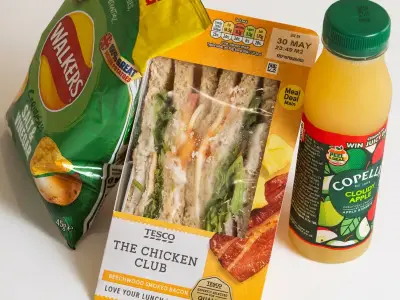
A nutritionist has suggested that a mono-diet, which involves rotating a small repertoire of stock meals rather than eating a wide variety of foods, could be the secret to weight loss. Louise Pyne, writing for the publication, acknowledges that diet diversity is generally championed, citing research linking healthier plant-based diets with lower mortality rates and the American Gut Project's findings on plant diversity and a flourishing microbiome. However, she notes that with conflicting advice on social media and influencer-led ingredients, taking some of the choice out of eating can be appealing.
Benefits of the 'mono-diet'
Eating the same foods on repeat is not a new concept, with Victoria Beckham having spoken about sticking to a small repertoire of familiar foods such as grilled fish, steamed vegetables and avocados. Jordan Haworth, a gastrointestinal physiologist at the Functional Gut Clinic, agrees that a mono-style diet can have its perks. "One advantage is that it reduces what psychologists sometimes call 'decision fatigue'. This is where the quality of your choices gets progressively worse the more decisions you have to make. So, if for example your first two meals are consistently predetermined, you're less likely to reach for the convenient, energy-dense option at night," he said.
A 'boring' diet could work particularly well for people who benefit from having a set choice of repeat meals that they know work for them. "For example, someone with acid reflux may benefit from having a small repertoire of meals if they know they don't trigger symptoms. Similarly, for sufferers of IBS following a low-FODMAP diet, short-term predictability can make symptoms easier to understand and manage," Haworth continued. This simplicity could also have a knock-on effect for weight loss, as a recent observational study in the journal Health Psychology found that participants who ate the same healthy foods every day lost more weight than those who varied their diets.
Downside of eating the same foods on repeat
Dr Flora Bailey, a GP and metabolic health specialist, points out the pitfalls. "The downside of eating exactly the same foods every day is that you can develop nutritional blind spots without realising it. A meal might be perfectly healthy in isolation, but relying on the same small group of ingredients long term can mean consistently missing other important nutrients such as iron, zinc, omega-3 fatty acids, calcium, folate and vitamin B12. You may also be getting a much narrower range of plant fibres which could compromise health," she said.
One way to boost the nutritional value of streamlined go-to meals is to think about how carbohydrates are prepared. "Cooking and then cooling starchy foods such as potatoes, rice and pasta increases the amount of resistant starch they contain. Resistant starch is handled differently by the body than readily digestible starch, and has benefits for blood sugar control and gut health," Dr Bailey explained. A chilled potato salad, pasta salad or cooked, cooled rice that's then reheated are simple ways to put this into practice.
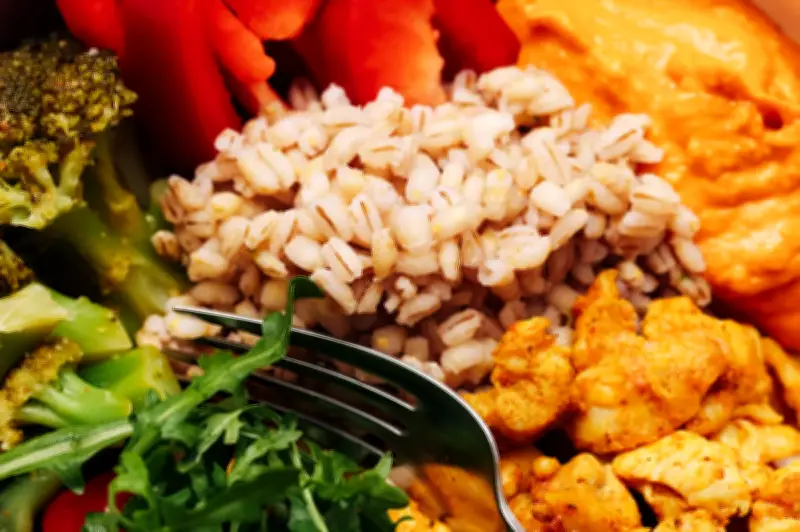
Texture can be an easy way to keep meals interesting without completely changing what's on the plate, and it's thought to play a role in how satisfying a meal feels. "Texture is another overlooked factor. Foods that require more chewing naturally slow the pace of a meal, which can help with recognising fullness," explained Dr Bailey. Adding crunchy or chewy elements such as raw vegetables, toasted seeds, nuts or wholegrains can make a familiar meal feel more satisfying and encourage a slower pace of eating that supports weight loss.
Keeping meals predictable without being repetitive
Meals can be kept predictable without becoming nutritionally repetitive by blending several ingredients into one meal. "Use mixed frozen berries or make a diversity jar with different seeds, including sunflower, pumpkin, chia, flax and sesame. Your gut microbes also love spices, so use things like cinnamon, which has been shown to support metabolism and blood sugar regulation," said Haworth. Keeping a jar of mixed seeds ready to sprinkle over usual meals, from porridge and yoghurt to tray bakes, pasta dishes and curries, is one suggested approach.