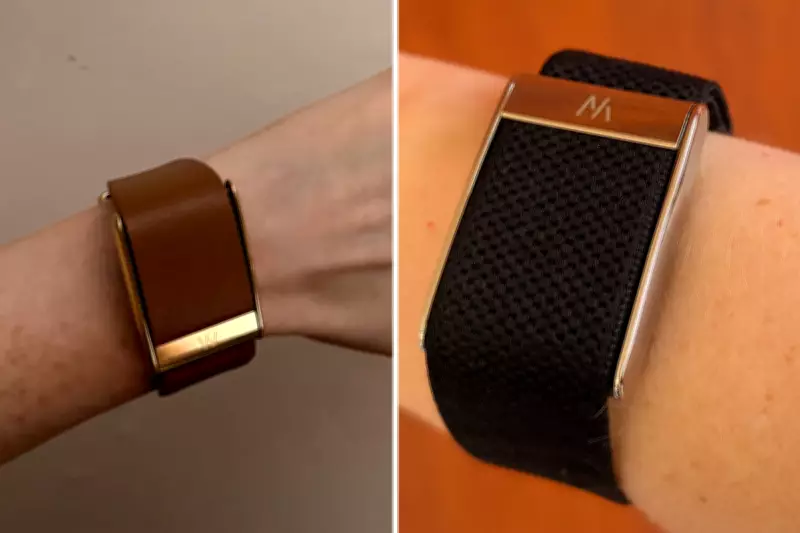
The much-anticipated Whoop 5.0 and Whoop MG launched last year, occupying a unique niche in the wearable market by eschewing screens in favour of a distraction-free band. With a slew of impressive new features, they have cemented their place among the best fitness trackers, particularly for interpreting performance metrics like VO2 max, which measures aerobic capacity and endurance.
As a fitness editor and avid runner, I was intrigued to see if the Whoop 5.0 could help me train better during marathon season, with events like the London Marathon approaching. After wearing it non-stop for a month, here is my verdict.
Design and Comfort
The Whoop 5.0 body is smaller and lighter than its predecessor, the 4.0, and offers new strap options. The leatherluxe band in tan and gold blended seamlessly with my wardrobe and is showerproof. The device holds its charge for two weeks, a significant improvement.

New Features
The app introduces a new interface with features like the daily outlook (AI assistant), healthspan (longevity calculator), and blood pressure insights. The healthspan feature, developed with Dr. Eric Verdin, provides a "Whoop age" and actionable advice on rest and recovery. VO2 max estimation uses resting physiology, activity data, and outdoor running performance to track endurance improvements.
The AI assistant, a first for wearables, explains scores and offers daily prompts. The stress monitor uses various metrics to assess stress levels. The Whoop MG adds an ECG heart screener and blood pressure insights, requiring calibration with a cuff.
Membership Tiers
Whoop now offers three subscription tiers: Whoop One (£169/year) for basics, Whoop Peak (£229/year) with healthspan and stress monitor features, and Whoop Life (£349/year) with medical-grade insights like blood pressure. Existing users are automatically upgraded to Peak.
Performance for Runners
The VO2 max tracking was particularly useful. It estimated my aerobic capacity and showed how endurance improved over time. The AI assistant contextualised data, suggesting breathing exercises when blood oxygen was low. The step counter, a requested feature, is now included.
Sleep performance is broken into four parts, and the journal tracks habits like multivitamin use or caffeine consumption. The device automatically detects exercise and measures biological age.
Battery Life and Usability
The battery lasts two weeks, with a smaller charging pack offering 30 additional days. The band stores data for hours, syncing when reconnected to the phone. The screen-free design may confuse Garmin or Apple Watch users, but it encourages focus.
Verdict
The Whoop 5.0 is expensive but offers unmatched data and coaching. During my month of testing, sleep, VO2 max, and daily step count improved. It is ideal for those committed to habit formation and willing to invest in their health. The Whoop Peak tier at under £20 per month makes it accessible. For runners and health enthusiasts, the 5.0 is a no-brainer.
How I Tested
I wore the Whoop 5.0 continuously for a month, cross-referencing data with an Oura ring and Eight Sleep mattress. I used compatible apps like Apple Health and Withings, and a blood pressure monitor. I assessed accuracy, data insights, and ease of use, including weight, style, and battery life.