
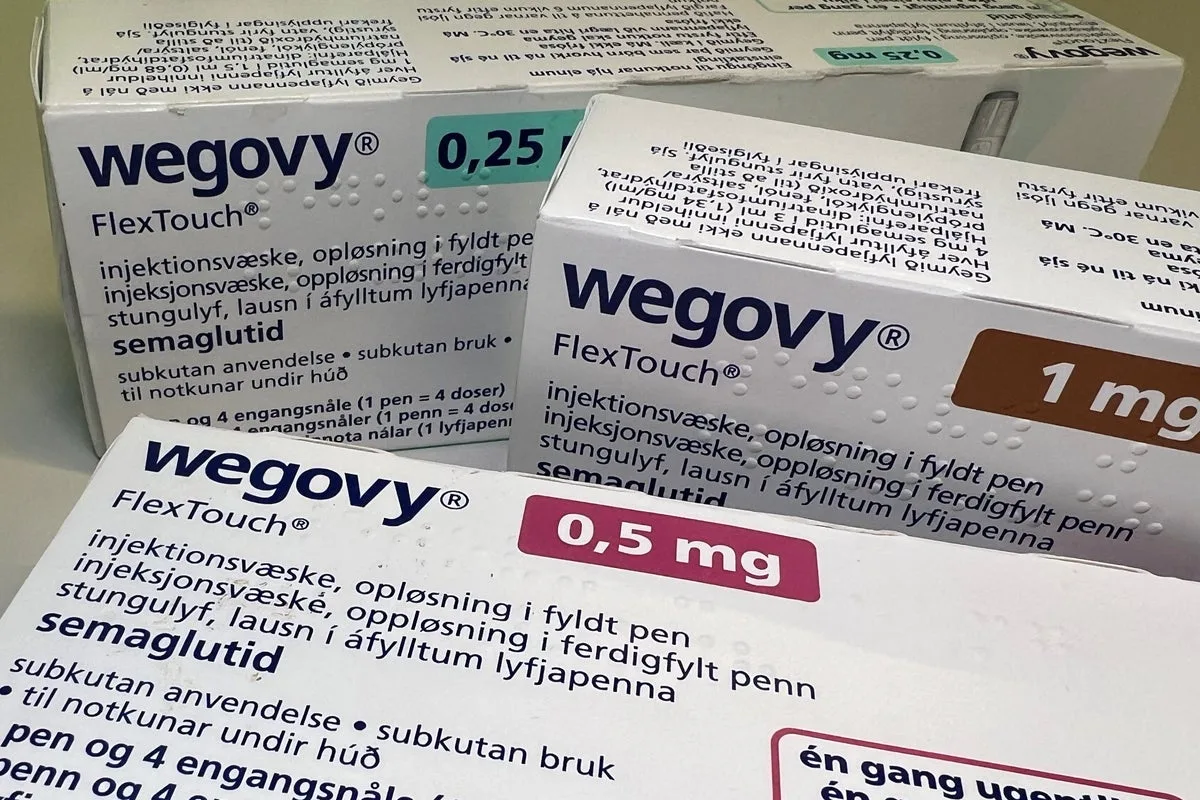
Experts are warning that people who buy weight loss jabs without a prescription are putting their health and lives at risk, following a survey showing nearly half of users bypass medical advice. The survey of 2,000 people across the UK, conducted by Atomik Research, found that 41% sourced the jabs online without a prescription, while 35% obtained them through family or friends.
Clinical pharmacist Kiran Jones from Oxford online pharmacy said: “The bottom line is that if a jab wasn’t prescribed to you by a licensed professional and dispensed by a qualified pharmacy, you’re putting your health and potentially your life at risk.” Unapproved medication could be fake, contain harmful chemicals, or have incorrect dosages, leading to serious health problems or fatal consequences.
Roz Gittins, chief pharmacy officer at the General Pharmaceutical Council, added: “Getting prescription-only medicines for weight management from unregulated sources, or friends and family, puts people at risk of potentially life-threatening side-effects.” Experts also stress that without consultation, users may not meet the weight threshold for safe use, or know the correct dosage and how to safely stop the medication.
Professor Jane Ogden from the University of Surrey said: “This is worrying as there is no assessment of whether they meet the criteria for safety or effectiveness… These people will end up taking them in isolation without any input from anyone which could put them at risk.” The survey, commissioned by GP Nutrition, also found that 43% of people felt more pressure to lose weight now than two years ago.
Professor Naveed Sattar from the University of Glasgow noted that many people avoid discussing weight loss with their doctor due to embarrassment or fear of not meeting the weight threshold. He warned that some may access impure or incorrect substances, or have too low a BMI to begin with. The rise in demand for weight loss jabs like Mounjaro and Wegovy has led to illicit versions being sold online, with The Independent recently exposing sellers on TikTok.




