
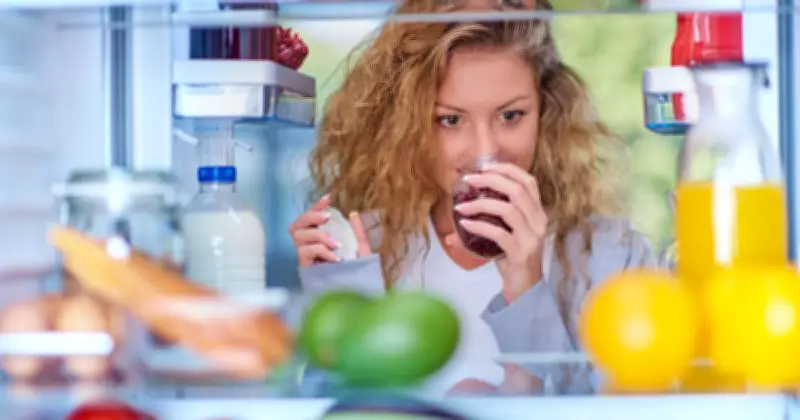
As food prices continue to soar, one of the best ways to save money is to make sure you use up everything you buy – and your fridge is the key. How you store food in it can be the difference between eating healthily, using everything you purchase, and throwing food away because it has gone off. According to environmental charity WRAP – the Waste and Resources Action Programme – the average household throws away around £50 worth of food every month. But a few small changes can make a big difference.
Fridge door
The theory behind your fridge is simple: keeping food cool slows down the bacteria growth that causes it to decay. But inside the appliance, the temperature is constantly fluctuating, so storing items in the right place can extend their life. For example, putting everyday goods like milk, butter and eggs in the fridge door may seem convenient, but the frequent opening and closing exposes your groceries to hotter outside air, making it the warmest part. This allows bacteria to grow quicker, spoiling items like milk and cream more quickly.
Avoid putting fruit juices in the fridge door too, as exposure to light and oxygen breaks down vitamins faster and triggers enzymes which start to degrade the juice, making it sour or separate. Instead, use the door for more stable products like condiments. The salt, sugar and acids found in foods like ketchup, pickles and mustards help protect them from bacterial growth and make them more resistant to temperature changes.
Set the right temperature on the top shelf
The first step to reducing food waste is setting your fridge to the right temperature. According to WRAP, many fridges are set too high – simply lowering the temperature can extend the life of food by up to three days. Your fridge should ideally sit somewhere between 3°C and 5°C, advises chef Sanjay Aggarwal, author of 'Spice Kitchen: Vibrant Recipes And Spice Blends For The Home Cook. "Any warmer. and food can spoil more quickly; any colder and you risk freezing delicate produce unnecessarily."
Temperatures vary significantly from shelf to shelf. The top shelf is the warmest because hot air rises. For food safety, cooked and ready-to-eat foods and leftovers should always be stored higher up, so they are not contaminated from liquids falling from uncooked foods like meat or fish. Ready-to-eat foods and leftovers will also last longer if they are kept in smaller glass containers with lids, which helps keep their temperature stable.
Top tips for a happy, healthy fridge
Sanjay recommends having an "eat me first" zone: "I’m a huge fan of making ‘eat me first’ section. whether that’s a small tray or simply one visible shelf for ingredients nearing their use-by date. It cuts waste massively because you actually remember what needs using." For example, keep berries at eye level on the middle shelf so you don't forget to eat them before they go off.
Never put steaming hot food straight into the fridge, adds Sanjay: "It raises the internal temperature and affects everything else around it." Instead let it cool first, then refrigerate within two to three hours. Also, try to have a quick clear out just before you stock up again, so you don't buy what you already have and items you need to use up aren't pushed to the back.
Michael Forbes, of fridge manufacturers AEG, says: "Tender herbs like parsley, coriander and basil stay fresher for longer when stored upright in a glass of water like a bouquet of flowers." He also advises patting vegetables dry: "Moisture can make vegetables age faster. Before storing leafy greens, pat them dry or wrap them in a clean cloth or paper towel to absorb excess moisture and keep them fresher for longer." To revive shrivelled produce, put items like carrots or rhubarb in ice-cold water for an hour.
Middle shelf: best for dairy and eggs
Your fridge's middle shelf is slightly cooler than the top shelf, making it the best place to store dairy products like cheese, yoghurt and butter. To help dairy products last even longer, keep them towards the back of the shelf where the temperature is coldest and most consistent. Eggs are best kept here too, says Sanjay, who is also co-founder of family run spice kitchen, Spice Kitchen UK. "Eggs are much happier somewhere cooler and more stable, ideally on a middle shelf in their original carton. The box helps protect them from absorbing strong food smells and also helps keep moisture loss to a minimum."
If you've got fruit you need to use quickly, like berries, keep them here at eye level so they're the first thing you see when you open the fridge. Prolong the life of fruit by keeping it in its original packaging – the humid environment helps it stay fresher for longer.
Bottom shelf: for raw meat and fish
As cold air sinks, the bottom shelf is the coldest place in the fridge, and so the best place to keep raw meat and fish. This won't just save you money; it will also protect your health. If meat and fish are not stored at cooler temperatures, harmful bacteria like Salmonella, E. coli and Campylobacter can multiply rapidly, causing food poisoning. To be safe, store each type of meat or fish in separate containers to reduce the risk of cross-contamination.
Don't rely entirely on your fridge's built-in temperature dial. WRAP recommends using a standalone fridge thermometer and checking it weekly, adjusting it in hot weather. Matthew Glynn, Senior Product Marketing Manager at fridge manufacturer Hisense, says: "While modern appliances are designed to regulate themselves, prolonged high temperatures outside mean they must work much harder to maintain safe internal conditions. This is compounded by everyday use. If the fridge door keeps being opened to get cold drinks, this allows warm air to get in, making temperatures inside to fluctuate more than usual."
Fridge drawers: for vegetables and salad leaves
Because they are enclosed, the drawers at the bottom of your fridge have a more humid environment. This helps vegetables which wilt easily, like spinach, lettuce, kale and spring onions, retain their moisture for longer. Sanjay says: "The bottom of the fridge is naturally colder because cold air sinks. That’s partly why these drawers are put there. But it’s also a gentler cold. compared to the airflow higher up in the fridge, which can dry delicate produce out more quickly. One tip I swear by is lining the drawer with a layer of kitchen towel. It absorbs excess moisture and can really help prolong the life of salad leaves and herbs."
Give fruit and veg their own separate drawers. Some fruits release a natural gas called ethylene, which can speed up the ripening process in vegetables so they spoil more quickly. Storage expert Vlatka Lake, of self-storage company space-station.co.uk, says: "Make sure you keep ethylene-producing fruits like apples and avocados away from more ethylene-sensitive vegetables such as lettuce, cucumbers and broccoli."
What not to keep in your fridge
For your fridge to work properly, it shouldn't be overcrowded, because this stops cold air circulating properly and makes the temperature fluctuate. To free up space, it helps to know some foods that actually last longer outside the fridge. Bananas turn black in the fridge because cold temperatures damage the cells in the peel, releasing an enzyme which helps make dark pigments; the fleshy contents will also degrade faster. Basil is best kept out of the fridge because cold damages the cells in the delicate leaves, turning them black and slimy. Cooking oil thickens in the cold, making it cloudy and clumpy.
Onions and potatoes spoil faster in the fridge because the cold temperatures turn the starches they contain into sugars, making them mushy. Keep them in a cool, airy basket instead – a cool, dark pantry is the best place to store them.




