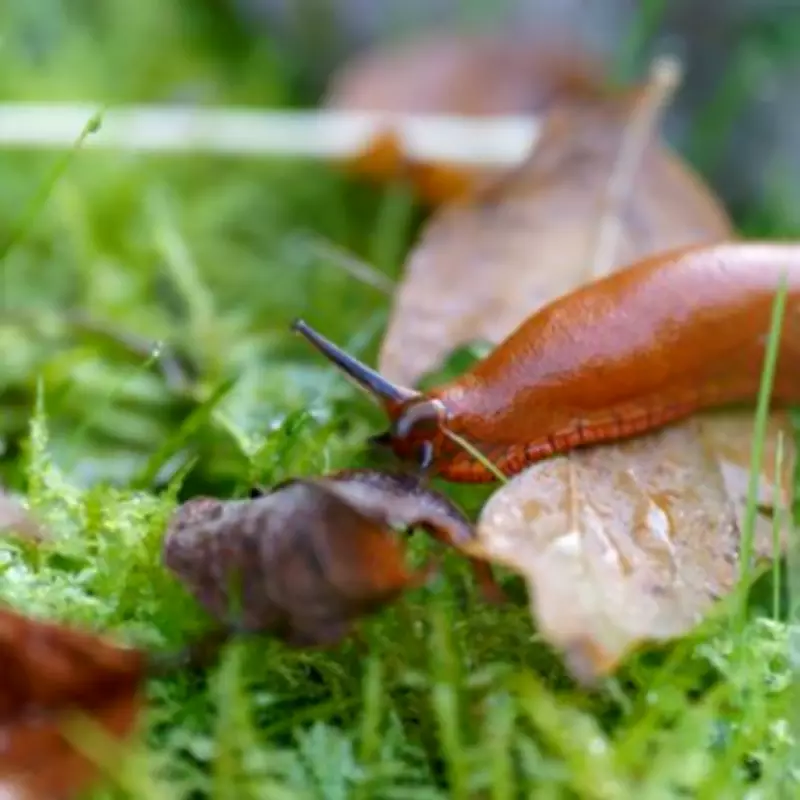
A leading UK gardening expert has revealed a budget-friendly method to safeguard your plants from slugs this spring. At present, gardeners nationwide are busily preparing their outdoor areas for the upcoming season and warmer months ahead, but when cultivating seedlings and vegetables, slugs can prove a genuine nuisance.
Spring ushers in the growing period, but alongside it come numerous obstacles for gardeners, including unpredictable weather patterns, poor soil quality, and the emergence of pests like slugs or snails, particularly following heavy rainfall.
Ellen Fletcher, an expert gardener from MyBuilder.com, explained that increasing numbers of gardeners are switching to natural, budget-friendly alternatives such as sheep's wool to give their plants the optimal start to spring. It is among the "tried and tested gardeners' products to tackle these challenges." Sheep wool is a versatile natural substance that provides an all-in-one answer, functioning as a sustainable fertiliser and a slug deterrent.

This economical and practical answer for gardeners costs roughly £10-£12 for a complete fleece of raw sheep's wool, and for half, approximately £6. It can be bought online from numerous sources, or you could even approach a local farmer. You can also purchase it in pellet format, if you prefer to make a simple transition from slug pellets.
Ellen, from MyBuilder.com, a go-to website for customers wishing to hire "reliable tradespeople," has outlined why this product proves effective at deterring slugs. She said: "Spring is here, and millions of gardeners are getting ready to roll up their sleeves and get to planting for the summer season. An issue for many is slugs and snails, but wool has the ability to act as a barrier, which copper tape, egg shells, and coffee grains aren't able to do. The lanolin in the wool keeps them away, making it a simple and natural way to protect plants."
Sheep's wool is not just cost-effective; it serves a variety of purposes in the garden, since it decomposes and releases its natural benefits over time. It is also an environmentally friendly alternative to synthetic products and fits in perfectly with the growing demand for greener gardening methods.
Multiple Functions of Sheep's Wool
Fertiliser
Sheep's wool works as a slow-release natural fertiliser by gradually breaking down within the soil. As it decomposes, it discharges valuable nutrients that contribute to healthy plant growth. Its slow breakdown ensures a steady supply of nutrients over time rather than a sudden surge, thereby reducing the risk of overfeeding the plant.
Mulch
A natural mulch that, when placed around plants, suppresses weeds by blocking sunlight and preventing germination, while also serving as the only truly effective natural deterrent against pests such as snails and slugs, thanks to the lanolin contained within the wool.
Regulates Soil Temperature
Sheep's wool possesses excellent insulating qualities, enabling it to control soil temperature throughout the entire year. During colder months, it retains warmth in the soil, shielding plants from frost damage. In summer, it prevents plants and soil from becoming too hot. Thanks to its regulating capabilities, it promotes healthier roots and plant development.
Improves Soil Structure
Fibres from the wool enhance soil structure and boost soil porosity and aeration, enabling air and water to circulate freely through the soil. Better aeration encourages beneficial microorganisms and earthworms, both of which support overall soil health.
Water Management
Wool functions like a sponge, holding substantial amounts of water, keeping plants hydrated as it gradually releases this stored moisture back to plant roots during dry spells, helping maintain steady hydration. It cuts down the need for regular watering and strengthens plant resilience during hot weather conditions.