
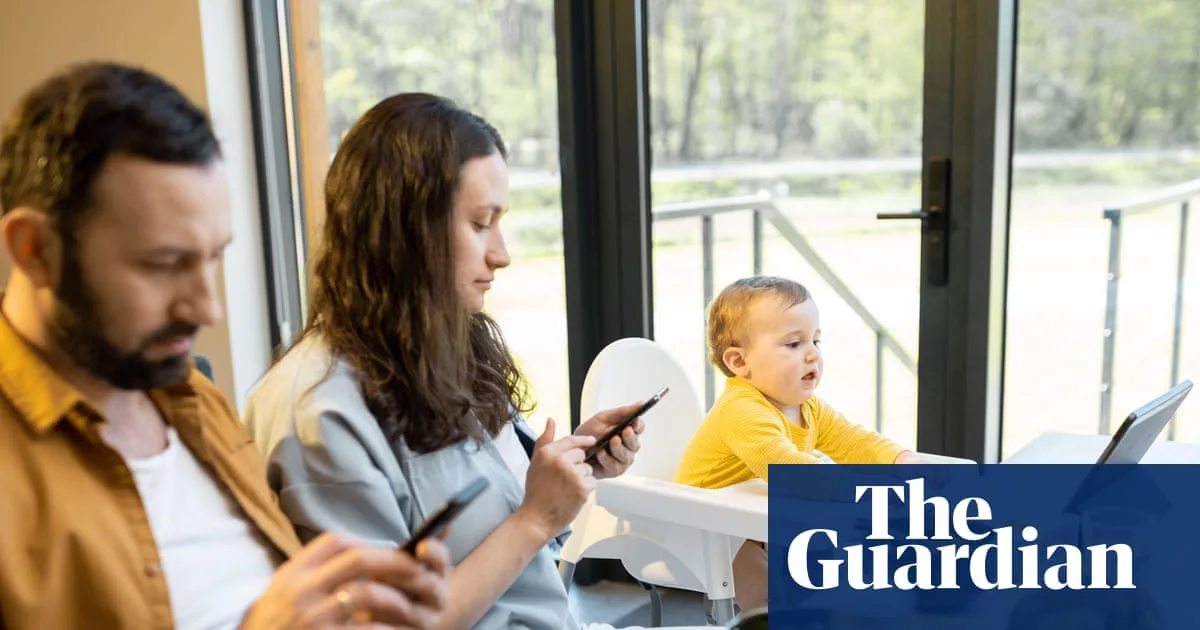
Sweden's public health agency has issued new guidelines urging parents to put their phones away when spending time with their children, after research highlighted the negative impact of adult screen use on child development. The agency recommends creating screen-free zones in the home, such as bedrooms and dining areas, and advises parents to think carefully before sharing images of their children online.
The updated advice, released on Monday, builds on previous recommendations from two years ago that encouraged parents to reflect on their smartphone use. The agency now offers concrete suggestions, stating: 'Put your phone away when you're with your child. Use it only if you need to or when you're using it together.' It emphasised that adults who model good screen habits positively influence their children's behaviour.
The guidelines follow a government-commissioned investigation into the link between children's health and parental screen time. Research found that parents' screen use can disrupt interactions with their children and that children of heavy users tend to develop similar habits. Social Affairs Minister Jakob Forssmed told Swedish broadcaster SVT: 'I don't think people realise that [their screen use] affects children to the extent that we now know that it does.'
Psychiatrist and researcher Helena Frielingsdorf added that children are influenced not only by what adults say but also by what they do, making small daily changes impactful for both present interactions and long-term habits. Sweden has previously set screen time limits for children: none for under-twos, one hour daily for ages two to five, two hours for six to 12, and three hours for 13 to 18, with a complete ban on devices before bedtime and in bedrooms at night.
The Scandinavian country is also implementing a national school smartphone ban, written into its Education Act, which will prohibit mobile phones in schools for children up to grade nine (ages 15-16) from the start of the 2026-27 autumn term.




