
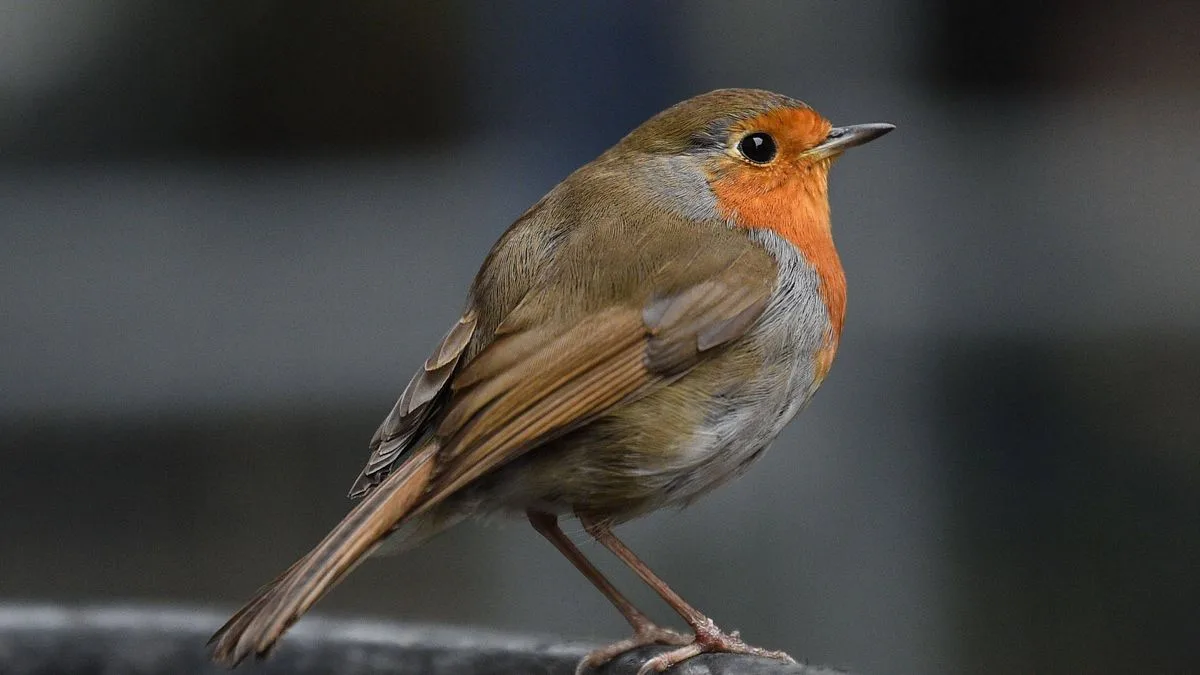
Wildlife specialists are cautioning UK gardeners that feeding robins bread can be harmful, particularly during the winter months. According to the Royal Society for the Protection of Birds (RSPB), bread lacks essential nutrients required for the birds' health and energy.
Val Osborne, the RSPB's head of wildlife inquiries, explained that bread does not provide the vital ingredients birds need to breed and feed. While bread may fill their stomachs, it offers little nutritional value and can compromise their strength over time.
If gardeners still wish to offer bread, experts recommend giving it only in small amounts and soaking it in water to soften it. Whole wheat or seeded breads are preferable to white bread as they contain fewer additives and less salt.
Instead, the RSPCA advises providing a shallow dish of clean water, especially during dry spells or frosty mornings. Water helps birds clean their feathers, regulate body temperature, and fly properly. Placing a pebble in the dish provides a perching spot, and water should be changed daily.
For feeding, specialists suggest alternatives such as rehydrated dried fruit, mealworms, unsalted peanuts, and sunflower hearts. These offer far better nutritional support for robins and other garden birds.




