
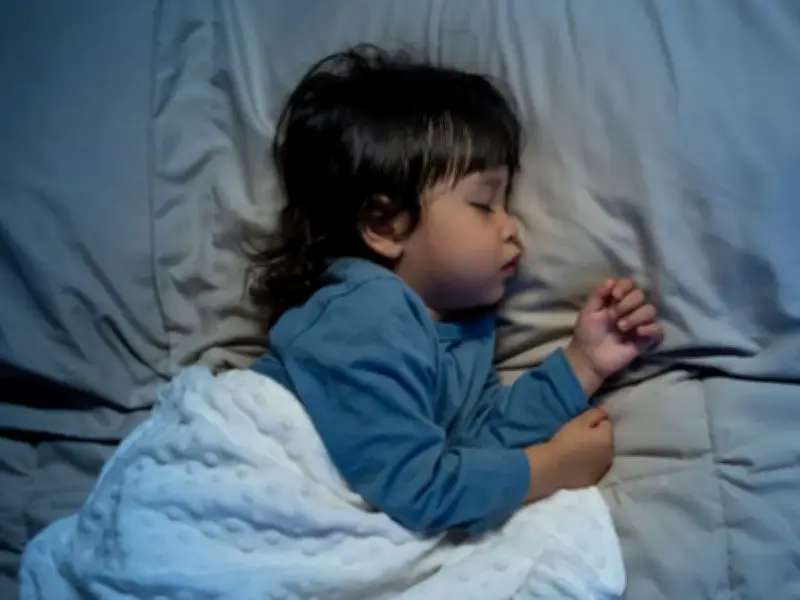
Children need different amounts of sleep depending on their age, with newborns requiring up to 18 hours and teenagers as little as 8 hours. Getting enough sleep is essential for a child's physical, mental and emotional wellbeing, and a lack of it can lead to irritability, behavioural difficulties, anxiety and problems regulating hunger.
Sleep requirements by age
Babies need a lot of sleep as they have many new experiences and learn new skills, while teenagers need less sleep as they already have these experiences and basic skills. The following guide shows how long children should sleep for per day, including naps where stated:
- Newborn babies 0 to 4 months old – 8 to 18 hours (including naps)
- Babies 4 to 12 months old – 12 to 16 hours (including naps)
- Toddlers 1 to 2 years old – 11 to 14 hours (including naps)
- Children 3 to 5 years old – 10 to 13 hours (including naps)
- Children 6 to 12 years old – 9 to 12 hours
- Teenagers 13 to 18 years old – 8 to 10 hours
Seasonal changes and sleep challenges
Andrea Grace, a child sleep consultant with over 25 years of professional experience including as a registered health visitor, has partnered with M&S to help parents support a good night's sleep for their children. She said: "A good night’s sleep is crucial for children’s development. Quality sleep supports a wide range of important functions, including cognitive performance, brain development, emotional wellbeing, immune function, healthy eating habits and creativity. It also plays a key role in concentration, decision-making and problem-solving skills."
Grace noted that seasonal changes can disrupt sleep patterns. "During the winter months, darker mornings and shorter daylight hours, combined with increased exposure to artificial light in the evenings, can disrupt the natural light signals that help regulate melatonin, the hormone responsible for sleep," she said. "This can affect the timing and quality of children’s sleep, making it more difficult for them to settle at bedtime. Winter also tends to bring more coughs, colds and other illnesses, which can temporarily disrupt sleep."
She added: "On the other hand, the lighter evenings of spring and summer can make it harder for some children to settle at their usual bedtime. So, there is not necessarily one season that is better for children's sleep, as each brings its own challenges."
Four tips to encourage better sleep
Grace offered four essential tips to support a child's sleep. She said: "A clutter-free room can help children relax and create the right environment for sleep. Tidying toys away can also become part of the bedtime routine, serving as a simple ritual that signals playtime is over and it's time to wind down."
She also recommended: "Keeping the bedroom cool - around 16-20°C and as dark as possible is the most ideal. If a child needs a night light for reassurance, opt for a very dim red light. It's also a good idea to remove or cover unnecessary lights from electronic devices."




