
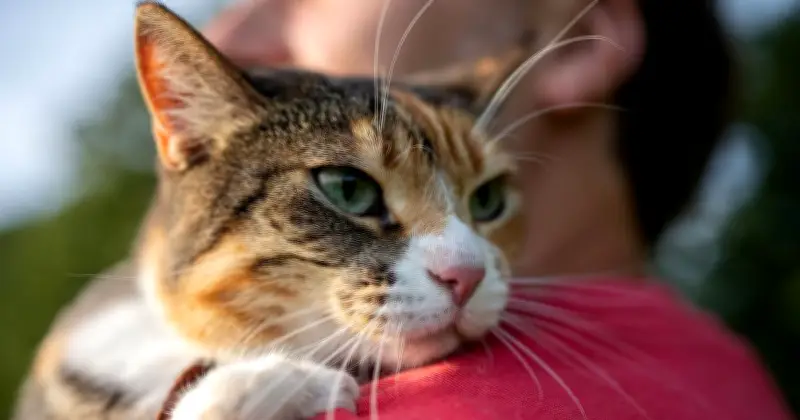
A vet is calling on Britain's 13 million cat owners to look out for six telling signs their pet may be lonely, stressed out, and anxious. With millions of employees returning to full-time office attendance this autumn, veterinary professionals are cautioning about an anticipated rise in feline separation anxiety - a legitimate, clinically recognised condition that can escalate and present itself in a myriad of easily detectable ways.
Why cats may be affected
Given that 58% of domestic cats spend periods alone each day, according to the PDSA Animal Wellbeing Report, and with shorter autumn and winter daylight hours resulting in even more time alone in the darkness, Jimmy Bratley, Veterinary Advisor for Feliway, has explained how to identify whether your cat is truly suffering from separation anxiety, highlighting the critical indicators owners need to look out for and monitor.
Six primary behaviours require cat owners' attention as they signal separation-related distress in felines. Similar to humans, cats are capable of experiencing loneliness and depression.
The six signs to watch for
- Over-grooming
- Heightened vocalisation, especially near doors and windows
- Alterations in litter tray habits
- Eating exclusively when owners are present
- Reduced interest in play
- Unwillingness and reluctance to go outdoors
How long can a cat be left alone
While cats are frequently perceived as self-sufficient and independent animals, they nonetheless require social interaction and stimulation. There isn't a universal safe timeframe, with the appropriate duration depending on multiple factors, including age, health requirements, social preferences, and living environments, according to the vet surgeon.
Age is an important factor to watch out for. Kittens require regular feeding and social interaction and shouldn't be left alone for more than a few hours, while senior cats may need closer monitoring due to health concerns or medication routines. Cats with medical conditions necessitating regular medication or specialist diets require more consistent supervision.
Additionally, while some cats demonstrate greater independence, others flourish with human company and may suffer distress when isolated and left alone for extended periods. Your pet cat's living environment is also a significant factor. Whether your cat remains exclusively indoors or enjoys outdoor access can influence their requirements. While households with multiple cats might provide additional social interaction, they may also equally trigger tension if the animals don't get along and coexist peacefully.
Advice for owners
The veterinary advisor adds: "If you notice signs that your cat is stressed or experiencing separation anxiety, several strategies can help keep them engaged and content."
Jimmy suggests: "Provide cat-safe toys, such as puzzle feeders or balls, to encourage natural play behaviours." He adds: "Ensure your cat has designated spaces to scratch and climb. Setting up a bird feeder outside a window can provide interest. However, ensure this does not cause frustration."
Ambient background noise such as music, the radio, or television can offer reassurance to certain cats, though it remains equally imperative to ensure your feline companion has access to a peaceful, cosy spot in which to rest, sleep and unwind.
The vet surgeon advises: "While every cat has different needs, many struggle when left alone for extended periods. If you are away for more than 24 hours, human interaction is essential." Professional cat sitters can provide necessary care, ensuring your pet remains entertained and their environment is maintained. If you are uncertain about appropriate timeframes, monitor your cat for signs of stress and adjust your arrangements accordingly.




