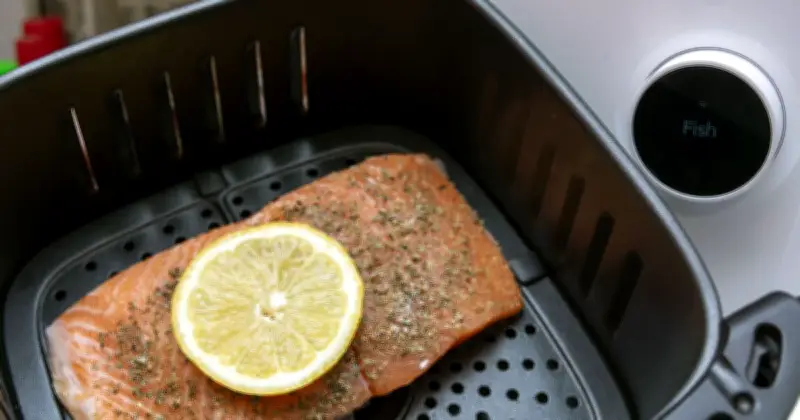
Salmon can be hard to cook as it turns dry very easily, but a seafood expert has shared three simple tips that could make a huge difference. Julian Klenda, seafood expert at Maine Lobster Now, explained that air fryers behave differently from conventional ovens, and packet instructions are often the culprit behind dry, tough fish.
Don't believe the packet timing
Klenda said: "Packet instructions are written for one type of oven, and air fryers just don’t behave in the same way." He noted that most people don't realise this is why their salmon keeps coming out dry, even when they have followed the cooking time exactly. "The problem usually comes down to trusting the instructions on the box rather than adjusting them for the appliance they are actually using," he added.
The oven time printed on packets is often for a conventional or fan-assisted oven, not an air fryer. With an air fryer, the heating element sits much closer to the food and rapidly circulates air, removing moisture from the salmon's surface. This means a fillet can brown and turn dry around the edges before the full cooking time has elapsed.
Klenda advised: "As a starting point, reduce the stated oven time by around 20% and begin checking the salmon several minutes before you expect it to be ready. Place the fillets in a single layer with space between them and check the thickest part, rather than judging them by the browned surface." He also stressed the importance of removing the salmon promptly once cooked, as it continues cooking slightly from the heat it has already absorbed, and leaving it in the hot basket can dry it out.
Cook the salmon skin-side down
Fillet positioning is another mistake people make, according to the expert. Cooking salmon skin-side down protects the flesh from the direct blast of hot air beneath, resulting in a more even result. Skin-side up crisps the top faster, which can leave the fish looking done before the middle has actually finished cooking.
Match the fillet sizes
Klenda said: "If you cook fillets of noticeably different sizes together, do not expect them to be ready at the same time." He recommended giving the thickest pieces a short head start, or removing the thinner fillets earlier instead of leaving everything in the basket until the largest piece is done. "Arrange the salmon in a single layer and check each piece individually. For tapered fillets, folding the thin end underneath can prevent it from becoming dry and brittle while the thicker centre finishes cooking," he added.