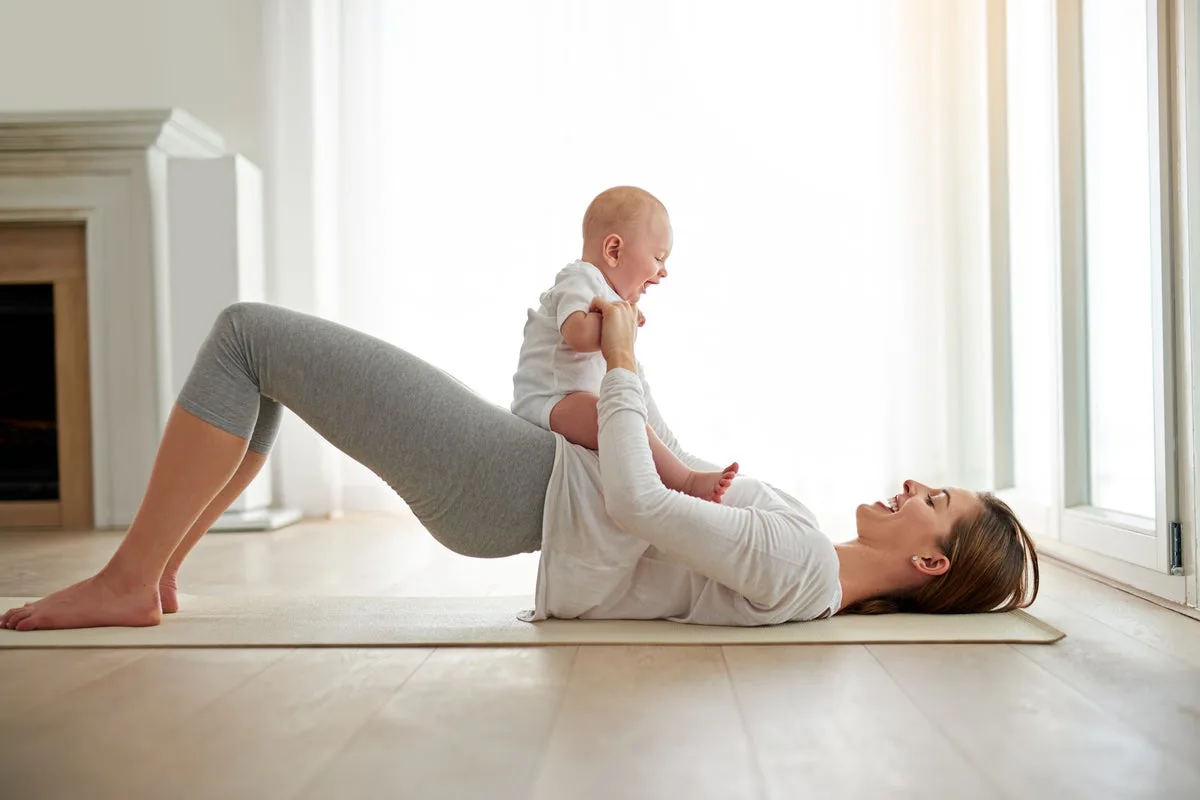
Many women anticipate that pregnancy will permanently alter their stomach and bust, but few expect the profound changes that occur to their buttocks. The transformation of the glutes after childbirth often comes as a surprise, largely due to shifts in the pelvis and tailbone to accommodate a growing baby. Post-birth, the challenge intensifies with limited time for gym sessions, as caring for a newborn consumes most hours of the day and night.
Why Glute Strength Matters Beyond Aesthetics
While returning to your pre-baby physique might be unrealistic, personal trainers emphasize that significant improvements in glute tone and lift are achievable. Caroline Idiens, a fitness influencer with 2.4 million Instagram followers and her own platform, highlights that strong glutes offer more than just visual benefits.
"As a personal trainer focused on building strength, I always discuss the advantages of robust glutes," says Idiens. "Contrary to popular belief, strong glutes aren't solely about aesthetics, though a peachy bottom is often a welcome result. They play a crucial role in overall health and posture."
Well-developed glute muscles support the lower back, enhance alignment, stabilize the hips, and improve everyday movements like walking, climbing stairs, or lifting objects. Targeted glute training is essential not only for a lifted, toned appearance but also for reducing lower back discomfort, preventing injuries, and optimizing daily bodily functions. In Idiens' view, glutes truly serve as the body's powerhouse.
The 7 Best Exercises for Stronger Glutes
Idiens recommends seven effective exercises to build stronger glutes, all doable at home. Dumbbells and resistance bands can enhance their effectiveness if available.
1. Bulgarian Split Squat (Weighted)
"Not the easiest exercise, but brilliant for the glutes," notes Idiens. This move targets the gluteus maximus and medius. Elevate your back foot on a chair or bench to increase glute engagement, and hold dumbbells for extra resistance. Keep your chest upright, step far enough forward, and drive through the front heel to maximize activation. Beginners should start without weights and ensure balance, using support if needed.
2. Hip Thrust (Weighted)
Idiens describes this as "one of the best exercises for gluteus maximus development." Lie with your upper back on a bench, drive through your heels, and squeeze the glutes at the top. Adding a dumbbell or resistance band intensifies the contraction, and pausing at the movement's peak enhances results.
3. Goblet Squat
This exercise emphasizes glutes and quads while engaging the core. Hold a dumbbell at your chest, squat back with weight into your heels as if sitting in a chair, and maintain a lifted chest. Keep feet wide and pointed outward. Focus on achieving good depth and controlled movement for maximum glute recruitment.
4. Romanian Deadlift (RDL) with Dumbbells
Targeting the gluteus maximus and hamstrings through hip extension, hinge at the hips with a slight knee bend and a neutral spine. Squeeze the glutes as you return to standing. A resistance band around the thighs can further boost activation.
5. Step-Ups (Weighted)
Step onto a bench or sturdy chair, driving through the heel and fully extending the hip at the top. This works the gluteus maximus and medius. Holding dumbbells increases intensity, while maintaining balance engages stabilizing glutes. Start with bodyweight to build strength gradually.
6. Side-Lying Clamshell (Resistance Band Optional)
Clamshells activate the gluteus medius and minimus, key for outer glute shape and hip stability. Lie on your side with knees bent, hips stacked, and heels together. Lift the top knee without rotating the pelvis. A resistance band around the thighs adds extra tension.
7. Curtsy Lunge (Weighted)
This move targets the outer glutes and quads. Step one leg diagonally behind your body, bend both knees, and press through the front heel to stand. Adding dumbbells or a resistance band increases resistance and enhances glute engagement.
Caroline's Top Tips for Effective Glute Training
- Use Resistance Bands: Short loop bands are excellent for glute training. Use them around the thighs during squats, hip thrusts, or clamshells to increase activation, strengthen hip stabilizers, and improve outer glute shaping. Idiens also recommends donkey kicks and fire hydrants as top isolation exercises.
- Walk Sideways: Incorporate crab walks by stepping laterally in a semi-squat position. For added intensity, use a resistance band above the ankles instead of above the knees.
- Try Incline-Based Cardio: Activities like hill walking, treadmill incline walking, or sprints recruit glutes through hip extension. While cycling aids endurance and general toning, pairing resistance training with incline or sprint-based cardio yields optimal results. Idiens suggests 3-4 strength sessions and 1-2 cardio sessions weekly, with daily walking as a key component. Adding a weighted backpack or vest can boost resistance during hill climbs.
How to Safely Resume Glute Work After Having a Baby
For women returning to exercise postpartum, especially those with pregnancy-related limitations, Georgina Hopkins, Expert PT at David Lloyd Clubs, offers five practical tips for a safe restart.
- Check Your Posture First: Pregnancy and early motherhood often lead to repeated posture adaptations, such as carrying a growing bump or holding a baby, which can tilt the pelvis forward or tuck it under, reducing glute activation. Encouraging a neutral standing posture—with ribs stacked over hips and weight evenly distributed through the feet—helps glutes function properly again, particularly in low-impact exercises like Pilates.
- Start with Activation, Not Heavy Load: Before progressing to heavier lower-body exercises, re-activate the glutes with targeted, low-load movements like banded side steps, bridges, and clamshell variations. This re-establishes the mind-muscle connection and improves recruitment, making later strength training safer and more effective.
- Pair Glute Work with Core and Pelvic Floor Support: Glutes work closely with deep core and pelvic floor muscles. Coordinating breath, gentle pelvic floor engagement, and core stability during exercises enhances control and force production.
- Progress to Glute-Dominant Strength Training: Once activation and control are established, incorporate glute-focused strength exercises, such as those listed above, to rebuild shape and resilience. Consistency is key—several focused sessions per week are sufficient for progress.
- Set Realistic Expectations: Glute shape is influenced by genetics and pelvic structure, so results vary. Focus on improving strength, function, and confidence first, with visible tone changes following over time. Strong glutes support the hips, knees, and lower back, offering benefits far beyond aesthetics.