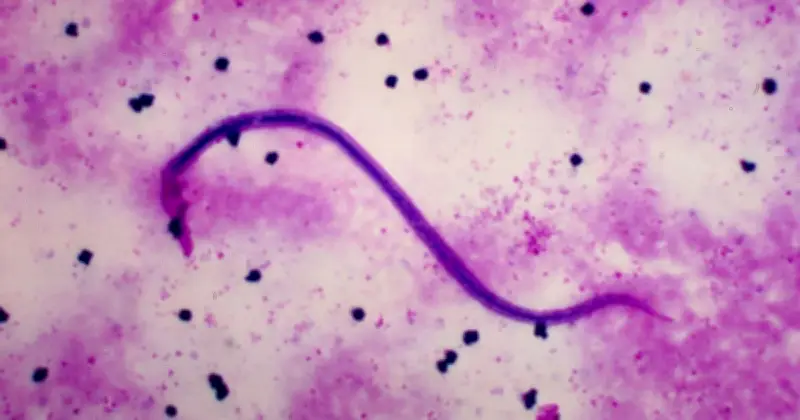
Scientists increasingly view parasites as potential health treatments, according to entomologist Dino Martins. While parasites have caused immense suffering throughout history, they may offer unexpected benefits.
Inflammation and Allergies
Inflammation control is a key area of research. Whipworms and hookworms have been shown to relieve inflammation and stabilize the immune system. Hookworms alter gut bacteria composition, leading to lower inflammation. The 'hygiene hypothesis' suggests lack of microbial exposure contributes to rising allergies. In the 1970s, a UK scientist infected himself with American hookworms and cleared his allergies. Current research explores using worms to treat asthma and eczema.
Parasite Therapy and Antibiotic Resistance
Antibiotic resistance is a major public health challenge. Parasites have evolved compounds to evade host immune systems. Understanding these mechanisms could lead to new treatments for cancers, autoimmune diseases, and antibiotics.
Detox and Toxin Accumulation
While detox diets are often unscientific, some parasites accumulate toxins. Tapeworms from shark guts in the Persian Gulf contained high levels of cadmium and lead, filtering heavy metals. This has not been shown in humans.
Biomarkers and Monitoring
Parasites can help detect infections. Ticks and leeches store DNA from hosts; analyzing them can reveal which pathogens they've encountered, serving as early warning systems.
Immune System Modification
Parasites manipulate host immune systems with precise secretions. These molecules could be harnessed for therapeutic use.
Maggot Therapy
Maggots are used in hospitals to clean chronic wounds. Sterilized maggots eat dead tissue, disinfect, and promote healing. In the US, 10% of Army doctors have used them, FDA-approved since 2004.
Leech Therapy
Leech saliva contains anticoagulants and vasodilators. Leeches treat inflammation, osteoarthritis, bruising, and help skin grafts. They are used in microsurgery to prevent clotting and venous congestion.
Parasite Life Extension
Some parasites extend host lifespan, such as a tapeworm in ants. However, this does not apply to humans.
Biological Control
Parasites of vectors like mosquitoes offer biological control methods, avoiding toxic chemicals and resistance.
"Mother Nature still has a few tricks up her sleeves," Martins writes. His book Hidden Creatures: Luscious Leeches, Bashful Botflies and the Wondrous, History-Shaping World of Parasites is published on July 30.