Gardeners are being warned that a common watering mistake could be causing their plants to "keel over and die," particularly when using peat-free compost. Gardening expert Nick Turrell, an advisor with the Royal Horticultural Society (RHS), says many amateur horticulturalists accidentally overwater their plants, leading to yellowing and collapse.
The Problem with Peat-Free Compost
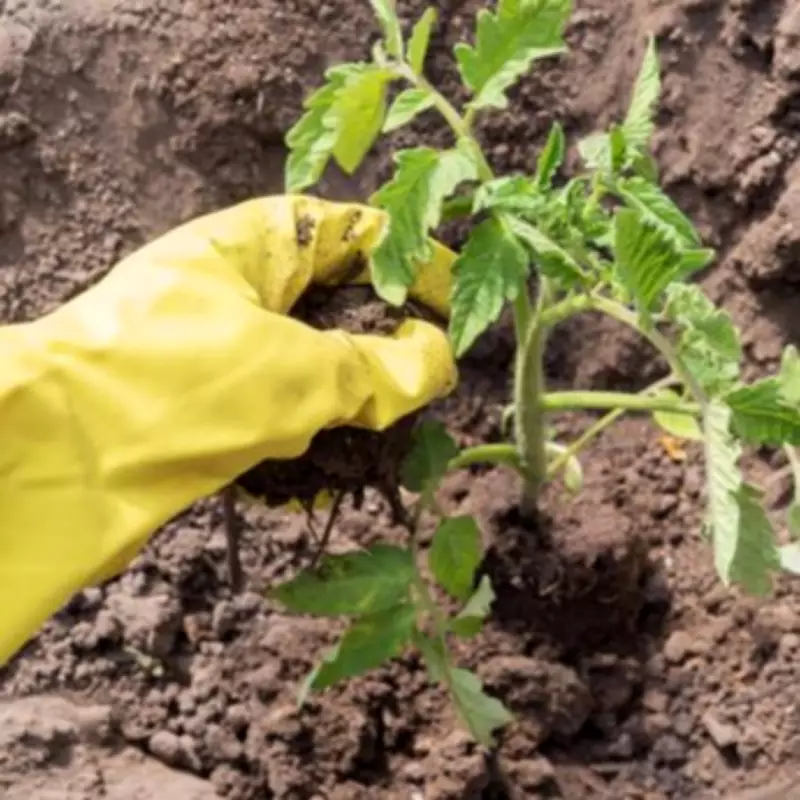
Nick explains that peat-free compost holds water well, even when the surface appears dry. Beneath the surface, the compost may still be adequately moist. Gardeners often succumb to the urge to water, resulting in overwatering. "What people do is accidentally over water. The plants go yellow, keel over and die," Nick said on the RHS YouTube channel.
How to Avoid Overwatering
Nick advises a simple test: "Put your finger just beneath the surface, if it feels dry, give it a drop of water, if it feels damp, just hold off a bit longer. Or simply lift the pot up. A pot full of dry compost feels light. A pot full of wet compost feels heavy."

He also reassures gardeners not to worry if mushrooms appear in peat-free compost. They "don't do any harm" but can be removed if unwanted.
Why Peat-Free Matters
The advice comes as more gardeners switch to peat-free compost for environmental reasons. The RHS states that preserving peatlands is "vital for the unique biodiversity they support." Draining peatlands for extraction releases carbon dioxide, contributing to climate change, while intact peatlands help absorb rainfall and prevent localised flooding.
Choosing and Using Peat-Free Compost
The RHS recommends selecting a peat-free compost suitable for the plant type, such as seedlings or container plants. Some plants, like houseplants, need specialist mixes. While peat-free compost can be used similarly to traditional compost, watering and feeding requirements differ due to its composition, often containing bark.
Water retention in peat-free compost varies, so the RHS suggests using a smaller watering can or mist sprayer. Plants should be kept in moist, not soggy conditions. "Saturated compost is colder, which can slow down germination and may cause seedlings and cuttings to rot," the RHS explains.
Finally, Nick urges gardeners to verify their compost is peat-free: "If it doesn't say peat-free on the bag, it isn't peat-free in the bag."