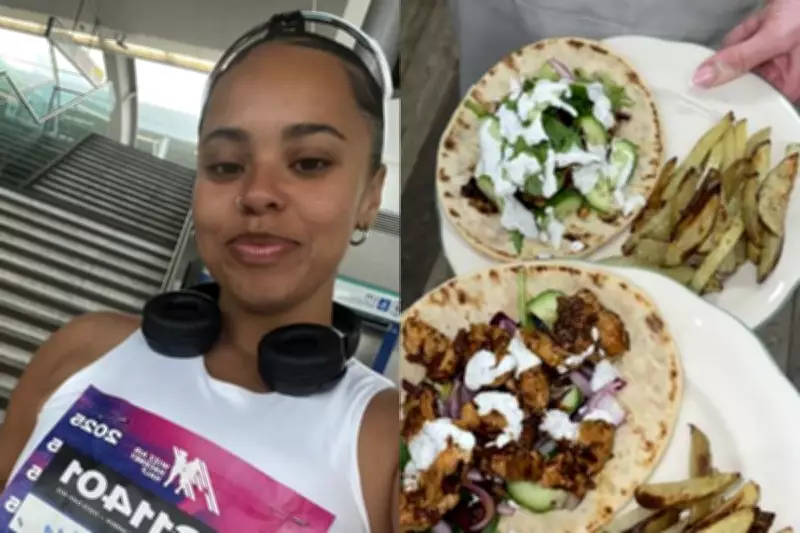
How Nutrition Transformed My Marathon Journey: From Fatigue to Fuel
For the majority of my life, running and nutrition were never priorities I took seriously. Growing up overweight, food served as a source of comfort rather than a means to fuel my body. This approach often left me feeling worse, trapped in cycles of bingeing on nutritionally poor foods and completely avoiding exercise.
The Turning Point: Finding Community and Challenge
When I first relocated to London, change did not happen immediately. For two years, my gym attendance was sporadic, plagued by inconsistency and, crucially, a lack of community. The real shift occurred when I decided to establish a run club. Being surrounded by motivated, disciplined individuals achieving remarkable feats pushed me decisively out of my comfort zone.
This supportive environment inspired me to register for my inaugural 10K race in November 2024. Subsequently, I completed two half marathons in 2025. While this appeared as significant growth, behind the scenes, I was merely improvising. I always finished the races but constantly battled injuries, persistent leg and ankle pain, and debilitating fatigue for days afterward. My training was not intelligent, and I certainly was not fueling my body correctly.

The Marathon Commitment: A New Approach to Basics
When I secured a spot for the London Marathon, I recognized this was an endeavor I could not wing. To reach the start line and genuinely enjoy the experience, I needed to return to fundamentals. This meant taking my training, recovery, habits, and lifestyle seriously, but most importantly, it required finally comprehending nutrition and its potential to optimize my performance.
I collaborated with Pamela Nisevich Bede, the global nutritionist at Lingo, who emphasized that nutrition is the one controllable variable in running—so that became my focus.
Understanding Glucose: The Body's Primary Energy Source
Working with Nisevich Bede, I learned about a previously ignored aspect of my diet: glucose. "Glucose is one of the body’s primary energy sources," she explained. "It’s a simple sugar that powers the brain and muscles. During exercise, having sufficient glucose indicates adequate energy reserves, with the goal being for glucose levels to remain steady or increase, signaling that muscles have enough energy across the miles."
Previously, I never considered food in terms of energy. My thoughts revolved around calories, cravings, or convenience, not fuel. I quickly discovered that glucose is not solely about consumption but how the body responds. "It’s very dynamic," Nisevich Bede noted. "Glucose rises and falls in response to food, training, stress, and countless other factors."
She clarified that stable glucose leads to feelings of energy, focus, and strength, while instability can cause crashes, fatigue, and poor recovery. This explained my previous race struggles, where I often hit a wall not from inadequate fitness but improper fueling. During one half marathon, I consumed no gels or water, detesting every minute as my body depleted its accessible energy.
Implementing a Structured Nutritional Plan
This time, everything became intentional. My training week was meticulously structured: easy runs early in the week, speed sessions on Thursdays, long runs on Sundays, and strength training interspersed. However, the real transformation was how I supported that training with nutrition.
Instead of eating haphazardly, I followed a clear, structured plan that eliminated decision fatigue. I concentrated on constructing meals that combined carbohydrates for energy, protein for recovery, and healthy fats for satiety.
"During running, muscles rely heavily on glucose as a rapid and efficient fuel source," Nisevich Bede elaborated. "As glucose availability declines, performance is compromised, fatigue increases, and the risk of an energy crash rises." She added that the objective is to stay ahead of that depletion.
This necessitated fueling before, during, and after every key session. The night before long runs, I prioritized carbohydrate-rich meals like spaghetti bolognese with garlic bread—foods I once avoided but now understood as essential. On run mornings, I kept it simple: electrolytes, a bagel, and a banana.

During runs, I targeted approximately 60 grams of carbohydrates per hour, using chews instead of gels. Adapting to increased intake, especially while running, took time but profoundly impacted how I felt. "Think of it like topping up a fuel tank," Nisevich Bede advised. "If you wait until you’re empty, it’s too late. Consistent intake helps maintain stable glucose levels and steady energy."
Real-Time Glucose Monitoring and Enhanced Recovery
One of the most enlightening aspects was tracking my glucose in real time using a continuous glucose monitor from Lingo. "It allows you to connect the dots," she explained. "You can fine-tune choices, understand which meals keep glucose stable, and personalize fueling strategies."
Initially, I observed spikes and dips that mirrored my sensations—sudden energy highs followed by fatigue. Over time, with improved food choices and timing, these patterns stabilized, directly translating into better running performance.
Recovery also became non-negotiable. I prioritized protein intake within 30 minutes after long or hard runs and focused on hydration, ensuring adequate water consumption and adding electrolytes when necessary. Nisevich Bede highlighted the importance of food in recovery: "Protein supports muscle repair, while stable glucose helps restore energy stores and reduce overall stress on the body."
For the first time during a training block, I was not contending with injuries or constant exhaustion; my body felt genuinely supported. By the time I completed my longest run of 31 kilometers, I experienced something unprecedented: finishing feeling strong, not just relieved but capable of continuing if required. This was the goal Nisevich Bede had outlined early in my training.
A Complete Mindset Shift on Food and Performance
Reflecting on the journey, the most significant change was not merely physical but a complete mindset transformation regarding fueling and food. I ceased viewing nutrition as something to control or restrict and began seeing it as a powerful tool for performance, fundamentally altering my approach to running and health.