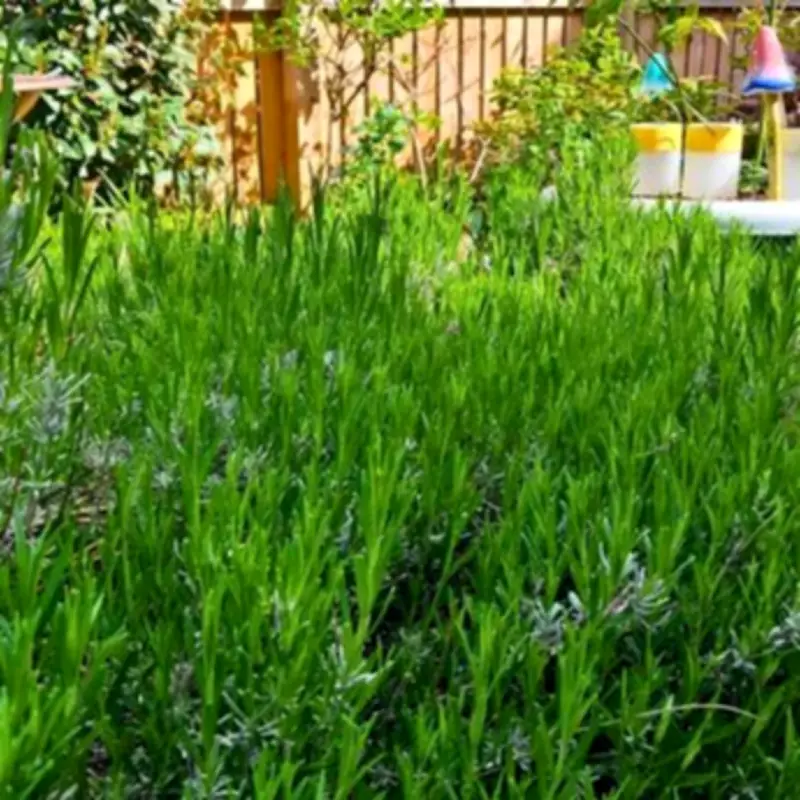
Lavender is a wonderful addition to any garden, but keeping it thriving in the UK can be tricky. To ensure impressive blooms, a quick 30-second task should be done in the morning during May.
Why May is critical for lavender
May is often the worst time for lavender as it must grow new flowers during rainy spring weather. While lavender is hardy, it thrives in stony, arid conditions and can struggle with Britain's wet climate. This month, the plant channels resources into producing buds, which should bloom by June. Waterlogged soil can cause stress, leading to poor flowers or even root rot and plant death.
The simple morning check
Examining the plant's base every couple of days is key. Morning is ideal because overnight dew has evaporated, making soil issues easier to spot. Pull back the foliage and inspect the base: it should look dry and woody. If it appears dark, squishy, or smells foul, rot has begun. Stop watering immediately and remove dead material.

Also look for fresh green shoots at the top. If none are visible and the base feels brittle, the plant may be dying. Lightly prune dead stems, but avoid cutting too much. With patience, the plant can recover.
By monitoring lavender regularly in May and ensuring ample sunlight, you'll be rewarded with vibrant blooms within weeks.