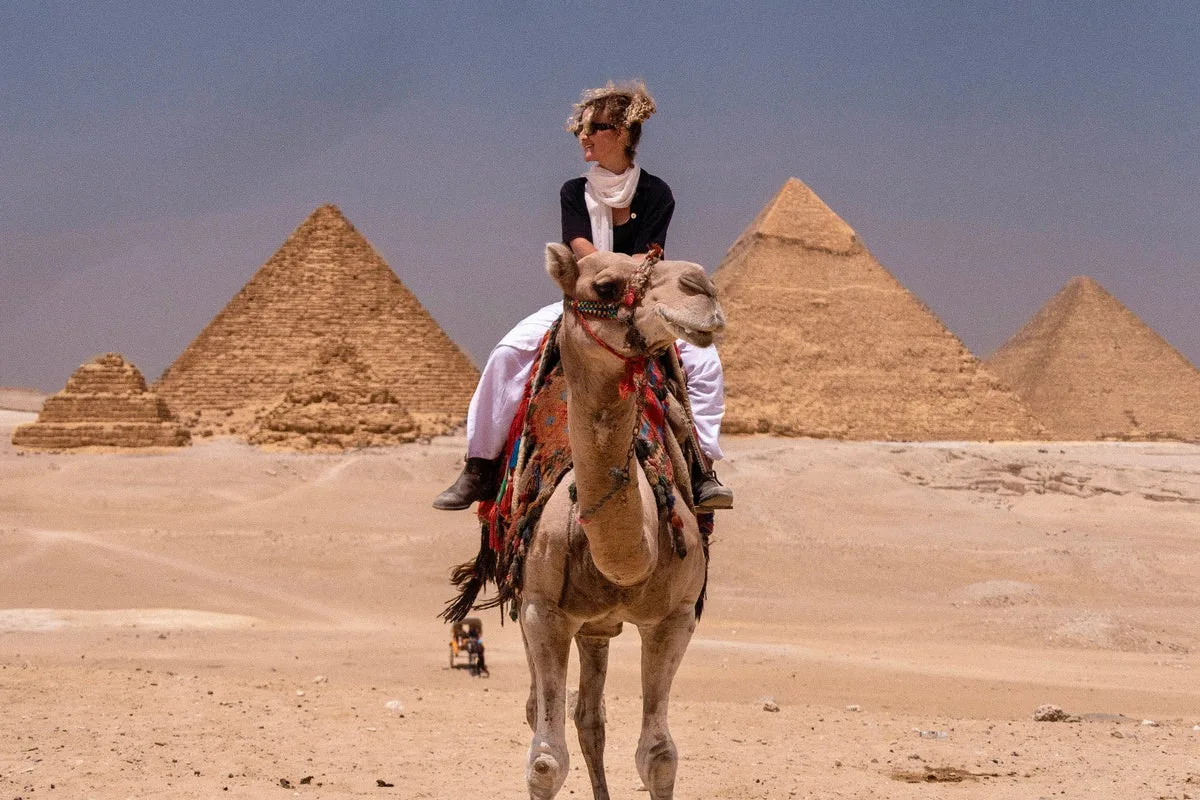
For those living in North Africa or facing heatwaves, summer can feel like a battle. Based in Dahab, Egypt, where 40°C is normal, I've learned to adapt. Start days early for exercise, and accept that everything slows down around midday. Regular breaks and siestas are essential to avoid exhaustion.
Movements should be relaxed, and it helps to embrace a slower, hydrated version of yourself. Drinking room-temperature water is better than icy water, as your body works less to regulate temperature. Rehydration sachets are a lifesaver; freeze electrolyte drinks in ice cube trays for a hot-day hack.
Wear light-coloured linen and carry a shawl for sun protection. Hand fans, sun hats, and cooling oils for temples are useful. Limit air conditioning use, as it dries out sinuses; an oil diffuser can add humidity. Without AC, create a breeze and hang a damp towel in doorways.
Extreme heat requires precautions, but by listening to your body and balancing activity with rest, you can enjoy the weather safely.