The Signs You've Hit Midlife 'Health Burnout' and Why Your Health Tracker Is Making It Worse
Keeping up with modern health advice—from protein intake and sleep quality to morning light exposure—has become exhausting, says Rosamund Hall. The constant barrage of wellness directives is leading to a phenomenon known as 'health burnout,' where individuals feel overwhelmed by the pressure to optimize every aspect of their wellbeing.
The Overwhelming Pressure of Modern Wellness
Many people started 2026 with intense resolutions around exercise, diet, and self-improvement, only to feel deflated months later when they haven't transformed into a 'shinier version' of themselves. This guilt is compounded by an 'always on' culture that makes us feel we're never doing enough—whether it's mindfulness, protein consumption, weightlifting, or mental health care.
A social media post captured this perfectly: "I feel more pressure about protein now than I did to take ecstasy in the 90s." Whether it's sleep optimization or catching morning light, the bombardment of wellbeing advice feels overwhelming and ironically contributes to health burnout.

The Startling Statistics of Burnout
The Burnout Report 2026, published by Mental Health UK, reveals that 91% of adults experienced 'high or extreme levels of pressure and stress' in the past year—a level consistent with the previous two years. While people try to manage stress through healthy activities, this often creates additional problems, leading to a cycle of exhaustion and guilt.
Embracing Compassion Over Perfection
Therapist and coach James Osborn emphasizes embedding compassion into daily life. "If you hear yourself with compassionate and curious questions, you'll start being able to do that for yourself," he explains. "When you're showing compassion, you're giving permission for others to show it to you, creating a virtuous circle."
Compassion also involves moving away from insular existence, which can alleviate feelings of helplessness amid global events. Connecting with immediate communities rather than focusing solely on personal optimization—or even skipping a yoga class to enjoy wine with friends—can have extraordinary ripple effects.
Starting with a Pause: Listening to Your Body
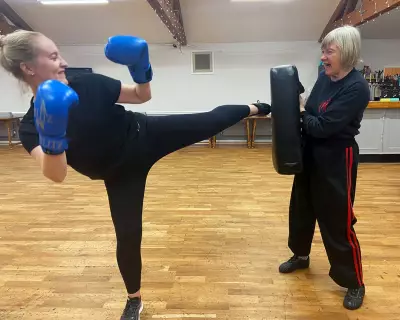
Midlife personal trainer Carly Corrigall, founder of CLC Fitness, advises to 'start with a pause.' This means listening to your body to determine what you truly need, then implementing small, consistent changes rather than rigid routines.
One example illustrates this perfectly: A friend exhausted herself with multiple weekly classes—dance, body conditioning, yoga, and daily swimming—eventually hating it all and constantly cancelling. By honestly assessing what she gained from each activity, she eliminated the dance class, kept swimming only when convenient, and incorporated 10-minute stretches or extra walking instead. This flexible, daily approach proved more sustainable than all-or-nothing perfectionism.
"It's the small things done consistently that move the dial the most," Corrigall says. "That can be as simple as starting with a 10-minute programme at home three times a week."
Why You Should Ditch Your Fitness Tracker
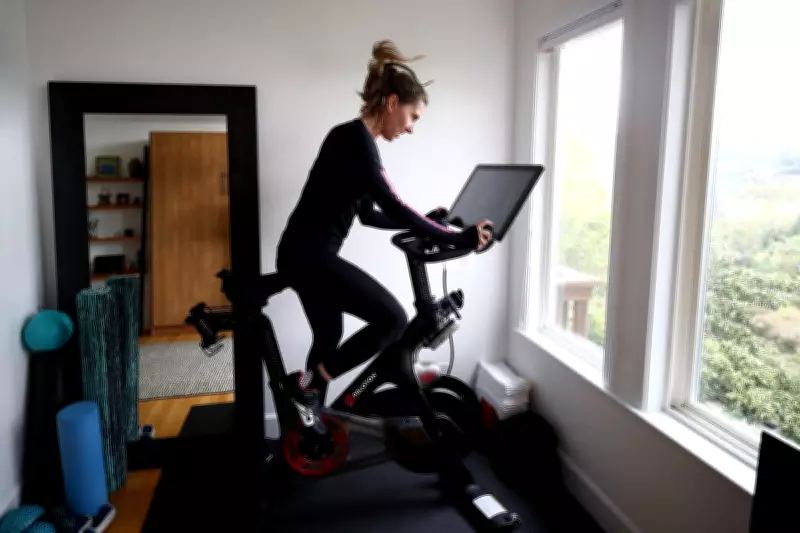
Studies consistently show that fitness trackers can increase health anxiety and often provide incomplete data. Corrigall suggests clients ditch their trackers to tune into their bodies instead. "They add a layer of stress, constantly telling you what you're not doing rather than listening to what your body is telling you," she explains. "Put it in a drawer for a month and see how that feels—it's a great way to reconnect with yourself."
Incorporating Light and Shade Training
Bringing contrast to your fitness routine can yield significant benefits. If you enjoy yoga, consider adding plyometrics like simple squats with toe raises. Conversely, if you love high-intensity workouts like CrossFit, balance them with time in nature to nourish connective tissues.

The Power of Conscious Breathing
Certified naturopathic health coach Jodi Montlake emphasizes breath as fundamental movement. A simple 'four-part box breathing' exercise—inhaling for four counts, holding for four, exhaling for four, and holding again for four—can serve as a sustainable reset that calms the nervous system and prevents rising anxiety.
"Chronic stress is everywhere, and a 'hard stop' shouldn't be feared," Montlake notes. "It's not a sign of individual weakness."
The Healing Power of Nature
"Environment matters," Montlake explains. "Nothing works as simply in bringing down chronic stress as getting outside." The beauty of nature is its accessibility—it requires no equipment, memberships, or expense, making it freely available to everyone.
Simplifying Nutrition Without Complication
Nutrition often fuels feelings of inadequacy, with conflicting information causing anxiety. Registered dietitian Alyssa Dowd cuts through the noise: "We don't eat micronutrients and macronutrients, we just eat food."
She advises a balanced plate: half vegetables, a quarter protein (like fish or chicken), and a quarter complex carbohydrates (such as whole grains or quinoa). "Carbs aren't the enemy—they're the only way our brain gets energy," Dowd clarifies. For increasing fibre, frozen vegetables offer a nutritious, convenient solution.
Most importantly, Dowd stresses: "All foods belong in a healthy, balanced diet. Focus on whole foods and the plate structure, and you'll get everything you need without measuring or counting."
Conclusion: Embracing 'Good Enough'
This pragmatic advice encourages giving ourselves a break. Acknowledging that 'good enough' is often more than enough can alleviate burnout. Keep breathing, show yourself the compassion you extend to loved ones, and remember—that's the only 'glow-up' you truly need.