
More than half of UK adults consider maintaining friendships a 'second job', according to new research. The poll of 2,000 people found 52% feel this way, with adults spending an average of 34 minutes per day socialising.
Burnt out from reaching out
The White Claw Social Refresh Report reveals that 44% of respondents are burnt out from always being the first to reach out, while 46% wish they had more support to keep up with friendships. Despite 76% believing social connection gives life purpose, only 14% choose to spend spare time socialising, prioritising hobbies and exercise instead.
More than half of adults class maintaining friendships as a 'second job' (Image: PinPep)
Effort and inequality in friendships
55% say being a good friend now takes more effort than it used to, and 41% spend less than 10% of their energy on social connections. Nearly a fifth (20%) feel their friendships aren't an equal effort, and only 23% have people who check in on them unprompted. A quarter socialise less in person than a few years ago, and 40% haven't returned to pre-pandemic habits. However, 49% worry they aren't doing enough to be a good friend, and 44% crave deeper connections but are too tired to act.
Partnership to create new friendships
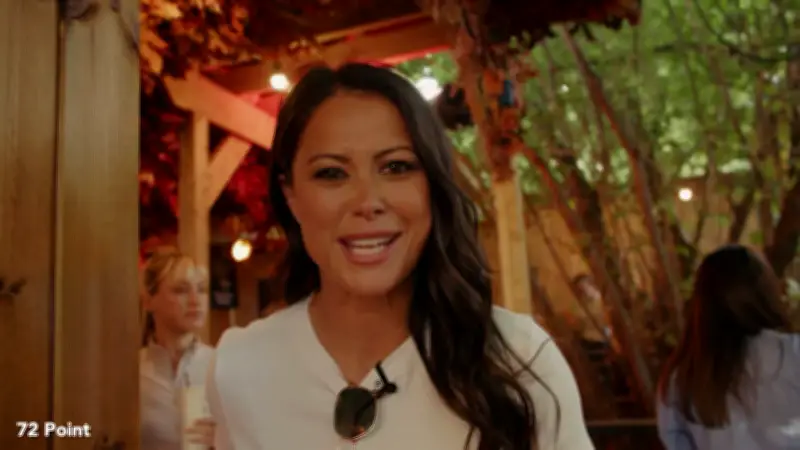
Drinks brand White Claw has partnered with social networking app Cliq to create 50,000 new friendships this year. They hosted a walk-and-talk event in London with Olympic gold medallist Sam Quek MBE. Speaking at the event, Quek said: “Making friends as an adult is actually wild, when you're younger, friendships just seem to happen, but as an adult you have to be much more intentional. I think we forget that meeting people is so much easier when the whole point isn't just ‘meet people’ - it's on doing something you genuinely enjoy. I've started joining local clubs, playing netball, football and trying new activities, and it's been a brilliant way to meet like-minded people while naturally growing my friendship circle. It doesn't have to feel like another job.”
White Claw & Cliq hosted a Walk & Talk meet up to help people make new friends (Image: PinPep)
Psychological perspective
Psychologist Katherine Templar Lewis, who has partnered with White Claw, said: “Research shows a friendship recession through a decline in friendship and friendship circles, but what we are really seeing is a decline in the conditions that allow friendship to form: time, proximity, ritual, shared attention and low-pressure togetherness. We are more contactable than ever, but not necessarily more connected. As loneliness increases, we are facing a real challenge, as connection is not a luxury, it is a fundamental pillar of our emotional and mental health.”
Barriers to new friendships
A separate OnePoll.com study found that money (20%), distance (22%), and emotional risk (19%) are major obstacles to making new friends. The average adult has eight friends total, but only four are considered 'close'. A third feel they already have enough friends, while 22% believe making new friendships has become harder. Of those, 44% say people are too attached to existing groups and 34% are less likely to start conversations with strangers. However, a quarter would be more likely to start a friendship if the other person spoke first.
Samantha Reader from White Claw added: “Our research shows that while people value connection more than ever, the realities of our lives today are driving a shift toward hyper-independence and convenience, often at the expense of shared experiences with our friends. Our partnership with Sam Quek focuses on creating more opportunities for fans to connect through music and celebrate the simple joy of being with friends, old and new, because we know time with friends isn't just good fun, it's good for you.”




