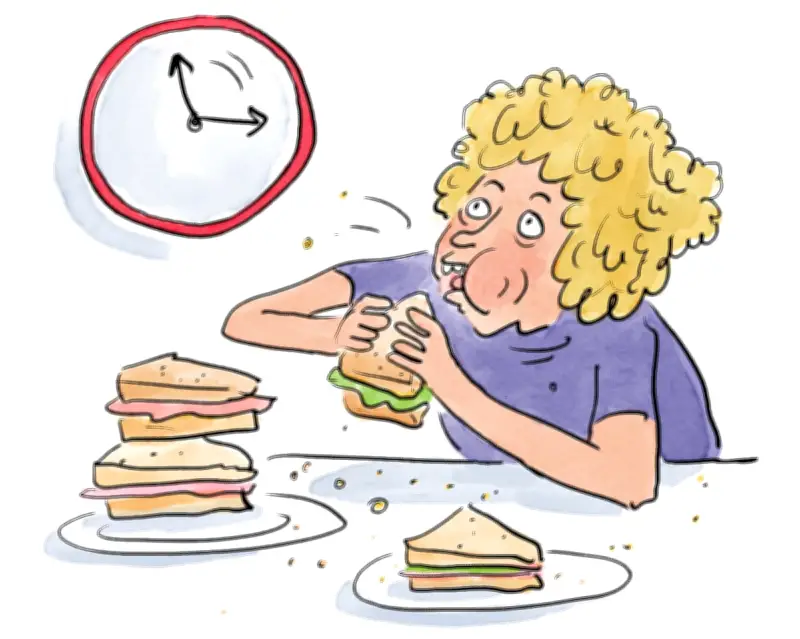
Digesting food requires energy, but snacking every few hours does not give your metabolism a meaningful boost, according to James Betts, professor of metabolic physiology at the University of Bath.
What Metabolism Actually Means
When people talk about metabolism, they usually refer to metabolic rate — the amount of energy your body burns in a given time. This is largely determined by factors such as size, age, sex, and body composition.
Daily energy expenditure comes from three main sources: resting metabolism (energy for organs and tissues), the calories burned processing food, and physical activity. Exercise and movement are by far the most variable components.

“When people say they want to boost their metabolism, what they really mean is they want to burn more energy,” says Betts. “But resting metabolism is actually very predictable. For most people, we can estimate it fairly accurately from things like body weight, age and sex.”
The Limited Effect of Frequent Eating
Digesting food requires energy through a process known as the thermic effect of food. Roughly 10% of the calories you eat are used for chewing, digesting and absorbing nutrients. However, that does not mean frequent snacking gives your metabolism a meaningful boost.
Betts compares it to a tax: “Just as your net take-home pay is less than your gross salary due to tax, if you eat the 100 calories on your plate you may only have a net gain of 90 calories since you must invest around 10 to access what is in your food.”
This means eating can expend a little energy, but not enough to offset the fact that you have eaten. If your goal is to increase energy expenditure, there is a much more effective strategy, says Betts: “Move more.”
A More Effective Strategy
Physical activity, especially exercise, offers the greatest potential to increase energy expenditure. Unlike the small boost from the thermic effect of food, movement can significantly raise your metabolic rate during and after activity.
For anyone looking to boost metabolism, the message is clear: frequent snacking won't do it, but regular exercise will.