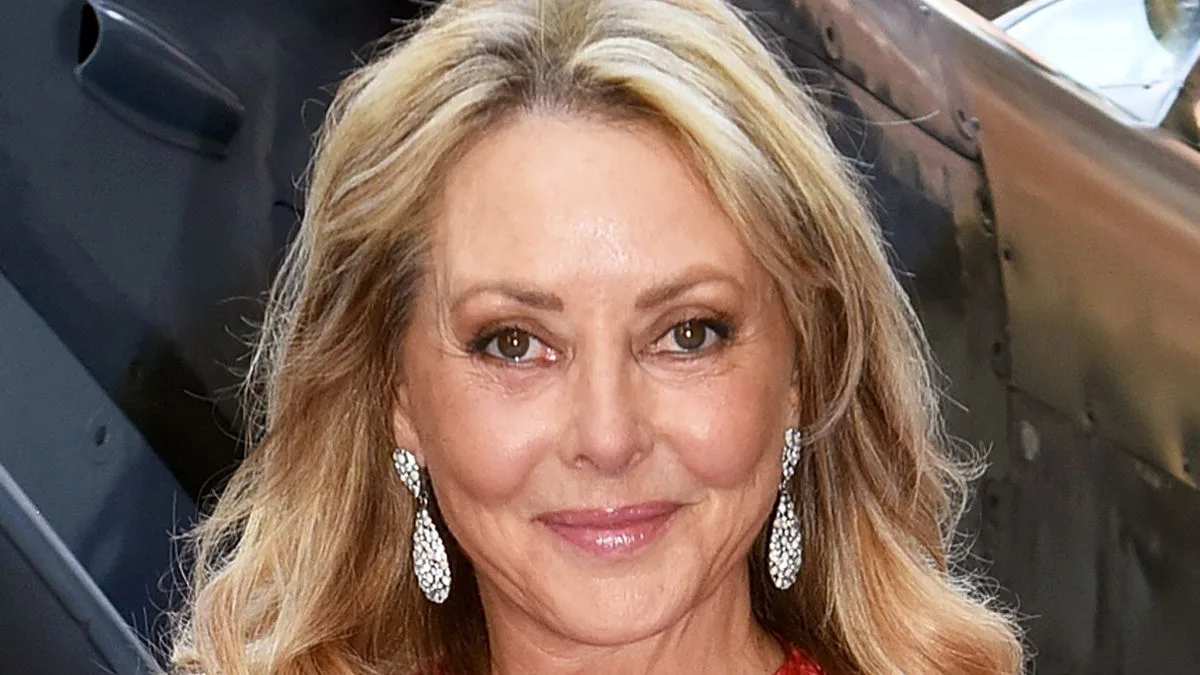
Carol Vorderman's OMAD Diet: Size 9 Without Calorie Counting
Carol Vorderman's OMAD Diet for Size 9 Figure

Carol Vorderman's Simple Secret to a Size 9 Figure

Carol Vorderman has unveiled the surprisingly straightforward approach behind her enviable physique. The former Countdown star, now 65, has publicly discussed her mission to maintain a 'size 9' – just below a size 10 – while emphasising she pays little heed to others' opinions.

The OMAD Diet and Daily Habits

Following the release of her book, 'Now What?: On a Mission To Fix Broken Britain', Vorderman spoke to Saga magazine in 2024 about her health routines. She revealed she generally consumes one meal per day in the late afternoon, practising OMAD – an intermittent fasting method meaning One Meal A Day.

"I wear a good bra and jeans that hold you up," Vorderman explained. "I generally have one meal a day – late afternoon – and I do three 45-minute sessions in the gym a week, which I love." Her diet includes munching on raw sprouts as snacks and doing what she calls 'squats for the bum'.

Wide Pickt banner — collaborative shopping lists app for Telegram, phone mockup with grocery list

How OMAD Creates a Calorie Deficit

OMAD is an eating regime that naturally creates a calorie deficit, supporting weight loss while potentially reducing heart disease risk. Interestingly, this approach mirrors habits in Earth's rare Blue Zones, home to many centenarians, where residents follow the '80% trick' or 'Hara Hachi Bu' – eating one modest meal daily until 80% satisfied.

Dr Deborah Lee, a GP at Dr Fox Pharmacy, previously explained: "Calorie restriction is believed to slow the ageing process. Eating less lowers the metabolic rate. With less metabolic processes underway, less oxidation is taking place."

"Oxidative stress probably underpins the development of many chronic diseases – heart disease, cancer, type-2 diabetes and dementia," Dr Lee added. "Nutritionists believe that eating mindfully, slowly chewing every mouthful, can make you feel satisfied with just 80% of your plate."

No Calorie Counting, But Regular Detoxing

Crucially, Vorderman avoids calorie counting entirely. Instead, she participates in bi-annual 'detoxing' periods. In her 2001 book 'Detox Your Life', she wrote: "The detox is not about counting calories or fat units, it's about being aware of the kinds of foods we put into our bodies. It's about eating more, not less."

Is Intermittent Fasting Always Safe?

While intermittent fasting is generally safe for healthy adults, research on long-term effects remains limited. Bupa UK notes fasting isn't suitable for everyone, particularly those who:

  • Are pregnant
  • Have type 1 diabetes
  • Have a history of disordered eating
  • Have anxiety or depression

Consulting a doctor is advisable for anyone with health concerns before starting fasting.

Laura Giraldo Cardona, Registered Associate Nutritionist at Bupa UK, explained: "The idea behind intermittent fasting is that it gives your body a break from digesting food. This can potentially lead to consuming fewer calories than with regular eating."

"Eating less often can positively affect blood sugar levels, beneficial for those with prediabetes or type two diabetes," Cardona continued. "Intermittent fasting may also trigger autophagy, where your body removes damaged cells when not focused on digestion."

Pickt after-article banner — collaborative shopping lists app with family illustration




