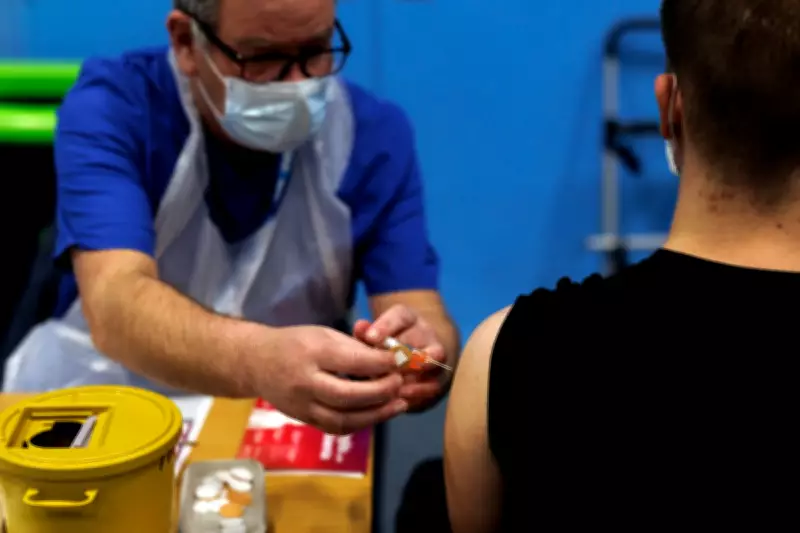
A new Public First poll conducted by Politico has uncovered a significant level of vaccine skepticism among American adults, with nearly half expressing doubts about vaccine efficacy and safety. The survey, released on Tuesday 14 April 2026, highlights a deepening divide in public opinion as a new Covid variant spreads across the United States, potentially evading current vaccines.
Key Findings from the Poll
The poll reveals that 46% of U.S. adults are somewhat skeptical of vaccines, believing that the facts surrounding vaccination are still up for debate and that enforcing vaccine uptake is damaging to public trust. In contrast, only 39% of respondents hold the view that vaccine science is clear and that questioning it is harmful, indicating a stark polarization in attitudes toward immunization.
Partisan Splits in Vaccine Views
A strong partisan divide emerged from the survey data, with 60% of Republicans favoring the administration of fewer vaccines compared to just 30% of Democrats. This gap underscores the political dimensions of vaccine skepticism in the United States, where health policies often become entangled with ideological beliefs.

Notably, 39% of all respondents stated they would allow vaccine-preventable diseases to return rather than force people to receive vaccines. This perspective is even more pronounced among Republicans, with 49% endorsing this view, suggesting a willingness to prioritize individual choice over public health mandates in certain segments of the population.
Policy Changes Under Health Secretary Robert F. Kennedy Jr.
The poll findings come amid policy shifts overseen by Health Secretary Robert F. Kennedy Jr., a known vaccine skeptic. His tenure has seen the elimination of Covid-19 vaccine recommendations and directives to alter language that refutes links between vaccines and autism. These changes have sparked debate about the impact of leadership on public health messaging and vaccine confidence.
As the new Covid variant poses a threat to vaccine effectiveness, the survey results raise concerns about how skepticism might affect future vaccination campaigns and disease prevention efforts. The data suggests that addressing misinformation and building trust will be critical in navigating public health challenges ahead.