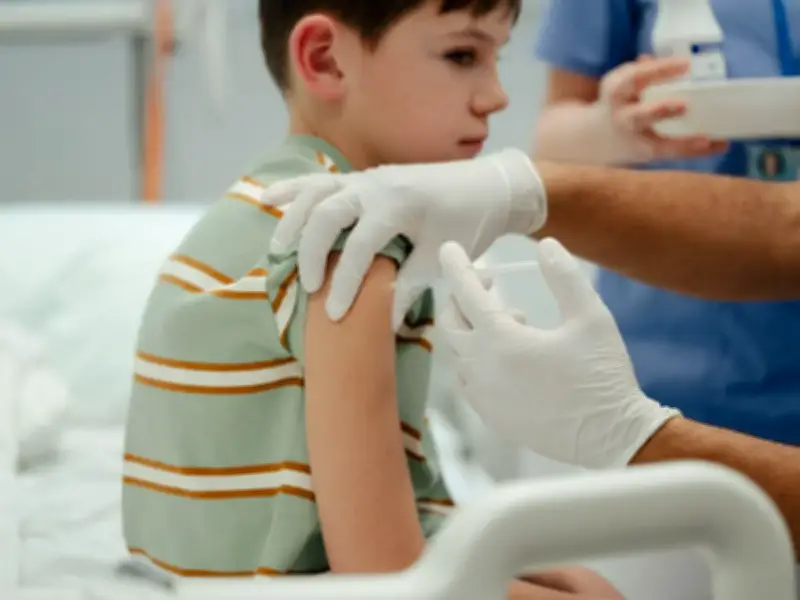
Parents are being urged to check their children's vaccination history as a new NHS catch-up programme offering the MMRV vaccine gets under way. Raj Patel, a pharmacist known as the Straight Talking Pharmacist on TikTok, where he has more than 100,000 followers, has explained why having certain childhood jabs already may not mean a child is fully covered.
What the MMRV vaccine covers
The programme offers the MMRV vaccine, a combined jab that protects against measles, mumps, rubella and varicella – the virus that causes chickenpox. It follows a change to the routine childhood vaccination schedule, with MMRV replacing the MMR vaccine for eligible younger children from January 2026.
In a recent video, Mr Patel explained the difference between the two jabs: "MMR protects against measles, mumps and rubella. MMRV has chickenpox, so having both MMR jabs doesn't rule your child out."
Catch-up eligibility and rollout
Children in the catch-up age group will already have been offered two MMR vaccinations, usually at 12 months and three years and four months old. However, those jabs do not protect against chickenpox, which is why the additional offer has been introduced.
Under the NHS rollout in both England and Wales, a single catch-up dose is available to children born between January 1, 2020, and August 31, 2022, who have not previously had chickenpox or received two doses of a chickenpox vaccine. The programme runs from November 1, 2026, until March 31, 2028, with eligible families being contacted about arranging an appointment.
Why the offer matters
While chickenpox is usually mild in children, it can sometimes lead to serious complications and hospital treatment. UK Health Security Agency figures show there were 3,037 hospitalisations for chickenpox among under-18s in England during 2025, alongside more than 15,000 GP consultations recorded in a sample of practices.
The figures relate to the year before chickenpox protection became part of the routine childhood vaccination programme. The UKHSA says most reported cases were in children aged five and under, highlighting the impact the infection can have on younger age groups.
Mr Patel urged parents to check whether their child qualifies rather than assuming previous vaccinations cover them: "Look out for your GP invitation or ask your practice, does my child qualify for MMRV catch-up?"
The NHS advises parents who believe their child is eligible but have not received an invitation to contact their GP surgery directly. Parents should also make sure their practice has their up-to-date contact details so they do not miss information about the offer.