
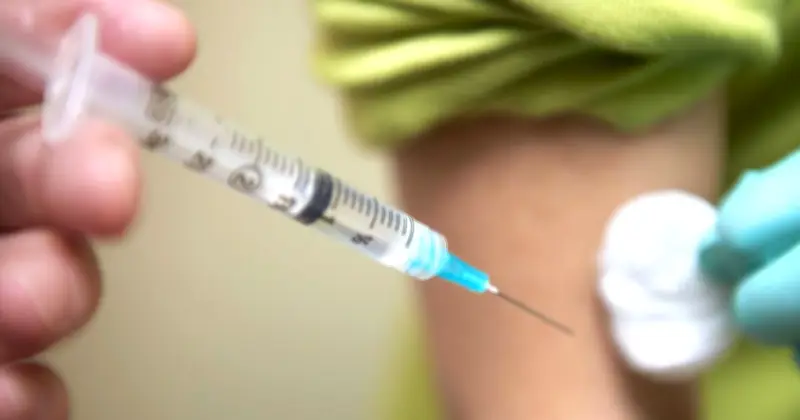
The NHS has confirmed a double vaccination is available for free for older adults aged between 65 and 80. The vaccine protects against shingles, an infection that causes a painful rash on one side of your body and can take up to four weeks to heal.
While most people recover from shingles without any problems, it can sometimes lead to more serious complications, including long-lasting pain, scarring, muscle weakness, hearing loss and eye problems that can lead to sight loss.
Who is eligible and when
As of September 1, 2023, all adults are eligible for the shingles vaccine when they turn 65 and will be offered two doses given between six and 12 months apart. If you turned 65 before September 1, 2023, you will be eligible when you turn 70 and remain eligible up until your 80th birthday.
Confirming the eligibility, the NHS said: “From 1 September 2023, you're eligible for the shingles vaccine when you turn 65. You'll be offered 2 doses of the vaccine. These are given between 6 and 12 months apart. Your GP should contact you to make an appointment to have your shingles vaccine. Contact your GP surgery if you think you're eligible for the shingles vaccine and you've not been contacted about it. You'll remain eligible until your 80th birthday (but you can have your 2nd dose up until your 81st birthday). If you turned 65 before 1 September 2023, you'll be eligible for the shingles vaccine when you turn 70. Everyone aged 70 to 79 is eligible for the shingles vaccine. You'll be offered 2 doses of the vaccine. These are given between 6 and 12 months apart. Contact your GP surgery if you missed your vaccine. You're eligible up until your 80th birthday (but you can have your 2nd dose up until your 81st birthday).”
Why vaccination is important
Shingles often begins with a tingling or painful feeling in an area of skin, a headache, or just generally feeling unwell, and a rash will usually appear a few days later. The rash often appears on your chest or tummy, but it can appear anywhere on your body, including on your face and eyes.
You’re more likely to get shingles as you get older or if you have a severely weakened immune system, and it’s more likely to cause serious problems. The vaccine reduces the risk of getting shingles and minimises the chances of developing serious health issues if you do get the infection.
It’s possible to get shingles more than once, so the NHS says it’s important to get vaccinated even if you’ve already had the infection before.
How to get the vaccine
Your GP surgery should contact you once you become eligible, usually via a letter, text message, phone call or email. If you’re eligible and haven’t yet been contacted, or you didn’t get the vaccine when you were contacted and you’re still under 80, speak to your GP surgery to book or rearrange.
Side effects from the vaccine are usually mild and should get better within a few days. Symptoms can include swelling or itchiness around the injection site, a headache, feeling tired, an aching body, a high temperature and chills.




