The NHS has carried out the first lung transplant as part of a pioneering scheme expected to save hundreds of lives each year. The complete set of lungs was boosted by pumping them with oxygenated blood and nutrients before being sent to another part of the country and successfully transplanted into a recipient who has since been discharged from hospital.
World-first NHS pilot
The NHS is the first health service in the world to implement ex vivo lung perfusion (EVLP) assessment, which is expected to increase usable donor organs by 20%. This would enable extra transplants to save or improve 750 more lives every year.
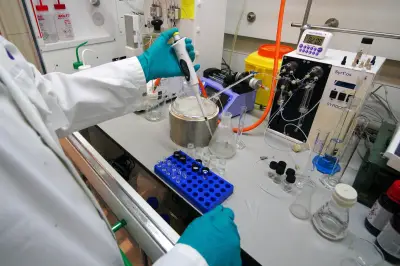
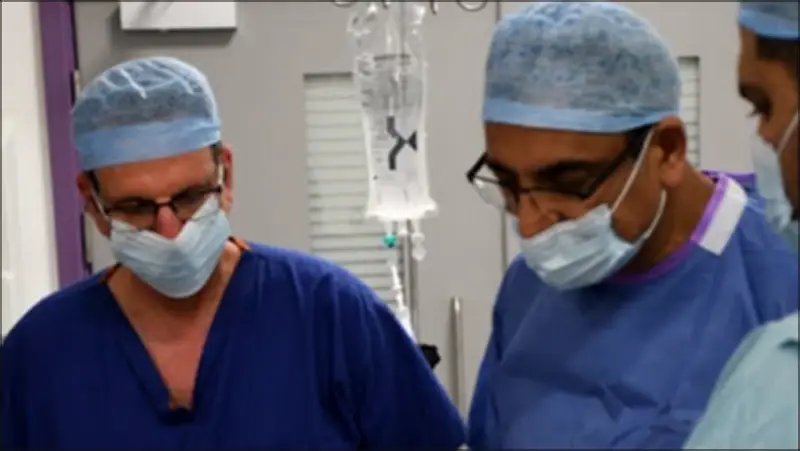
NHS Blood and Transplant (NHSBT) has released footage of the lungs “breathing” while hooked up to a machine to be boosted and tested at Royal Papworth Hospital in Cambridge. They were then sent to Queen Elizabeth Hospital Birmingham for transplant into a donor on the waiting list.

Surgeon and minister comment
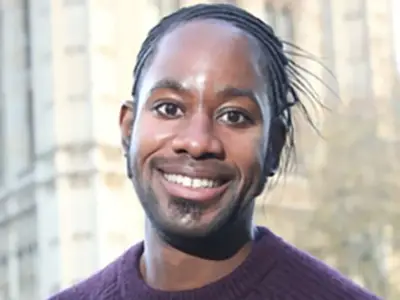
Aaron Ranasinghe, consultant lung transplant surgeon at the Queen Elizabeth, said: “This landmark transplant demonstrates what can be achieved when NHS organisations collaborate in new and innovative ways to make the very best use of donated organs.”
Health minister Karin Smyth said: “This is a fantastic example of British medical innovation saving lives. I am incredibly proud that the UK is hosting the first national programme of this kind anywhere in the world, giving patients a better chance of a life-changing operation. This breakthrough could help save or improve an additional 750 lives every year, and it is a testament to the skill and collaboration of our NHS staff and scientists that the UK is a world leader in this field.”
Impact on transplant waiting list
The NHS transplant waiting list is at a record high with thousands of people waiting and dying before they get an organ. The rate of bereaved families supporting donation has dropped to 59%, down from 68% before the Covid-19 pandemic.
Royal Papworth is one of 15 hospitals in England equipped with “perfusion” machines where organs otherwise discarded are boosted and undergo further tests to reassure surgeons they can be transplanted safely. The Mirror last month reported how the very first organ saved and transplanted under the national pilot was a liver.
Currently some donated organs fall into a clinical grey area, where initial assessments do not provide enough information to confidently determine whether they are fit for transplant. Decisions must often be made within a matter of hours so such organs can be declined out of caution. The 15 new Assessment and Recovery Centres (ARCs) test and boost these organs to give transplant teams more information about organ function before a transplant takes place.
Call for organ donation
Andrew Fisher, consultant in severe lung disease and NHSBT lead for the ARCs programme, said: “I am delighted that the first lung transplant has been performed using donor lungs that have had their quality checked in an ARC pilot site before being sent to another transplant centre for a patient on their waiting list. All transplant teams now have the ability to ask for donor lungs where there is uncertainty if they can be used, to be sent to an ARC to be tested. It shows the potential for this to increase the number of suitable lungs available for transplant and to make lung perfusion technology available to every patient on the waiting lists across the country. We should also remember that none of this is possible without the generosity of the donor and all families who support donation. They are lifesavers.”

The Mirror campaigned for Max and Keira’s law in the name of Keira Ball, who died, aged nine, in a car crash, then saved the life of Max Johnson, nine, who received her heart. The law change which came into force in 2020 and was credited with helping keep organ donation going during the Covid crisis. It meant there would be a presumption in favour of donation but bereaved next of kin would always retain their right to veto transplants. More families have vetoed transplants since the pandemic and the reason for this is unclear. The NHS states that it is vital that people sign the Organ Donor Register to make their wishes clear, in case the worst happens. Wasting fewer organs is seen as one answer to tackling the record transplant waiting list. In the past decade nearly 5,000 people have died waiting for a life-saving transplant.