
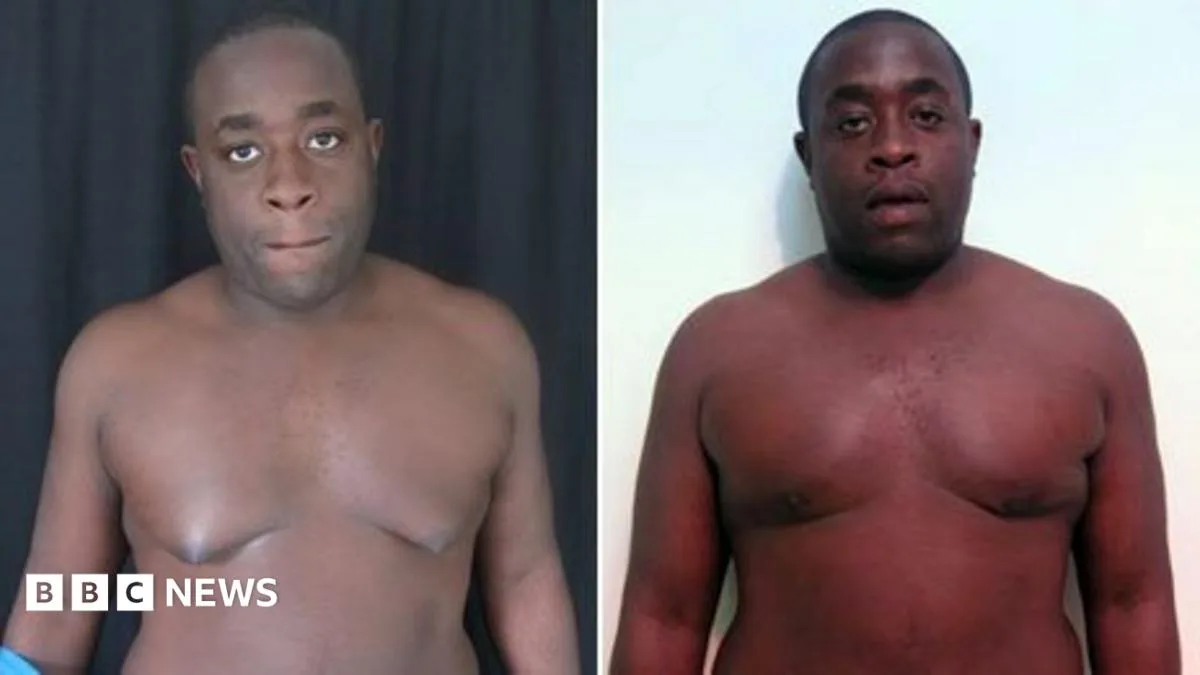
The number of men in the UK undergoing breast reduction surgery has more than doubled in five years, with figures from the British Association of Aesthetic Plastic Surgeons (BAAPS) showing 790 procedures in 2011, up from fewer than 400 in 2006. The condition, known as gynaecomastia, affects thousands of men and can cause significant embarrassment, discomfort, and tenderness.
One patient, Ayo, recalls realising his chest was different at age eight or nine during a school swimming trip. 'Everyone in the changing rooms would say “Ayo, look at your little boobs” – it was hurtful,' he said. After years of avoiding taking off his shirt at the beach and in front of partners, he opted for surgery, which he says has transformed his life.
While the operation is available on the NHS, some men find the process laborious due to paperwork and red tape. Plastic surgeon Neil Bulstrode of Great Ormond Street Hospital notes that 'the stigma of plastic surgery is reducing' and that simple procedures can significantly improve confidence. However, critics argue cosmetic surgery preys on vulnerable people and should be reserved for life-saving reasons.
Gynaecomastia is often linked to obesity, but can also result from hormone imbalances, certain medications (including antidepressants and cancer drugs), anabolic steroids, and environmental oestrogens. Men with the condition face assumptions that it stems from poor diet and lack of exercise, a view echoed by gym-goers who insist 'man boobs' are avoidable through fitness.
Despite economic challenges, overall cosmetic surgery in the UK rose by 5.8% in 2011. For Ayo, the results have been life-changing: 'I'm very happy. I don't have an Arnold Schwarzenegger body, but I'm on a level playing field with everybody else.'




