Super-Agers' Dementia Resistance Linked to Double Brain Cell Growth in New Study
People who maintain sharp memory into their 80s and 90s, known as "super-agers," produce twice as many new brain cells as other healthy older adults, according to groundbreaking research from the University of Illinois College of Medicine in Chicago. This discovery may finally unlock the secret behind their remarkable resilience to dementia and cognitive decline.
Exceptional Memory Correlates with Enhanced Neurogenesis
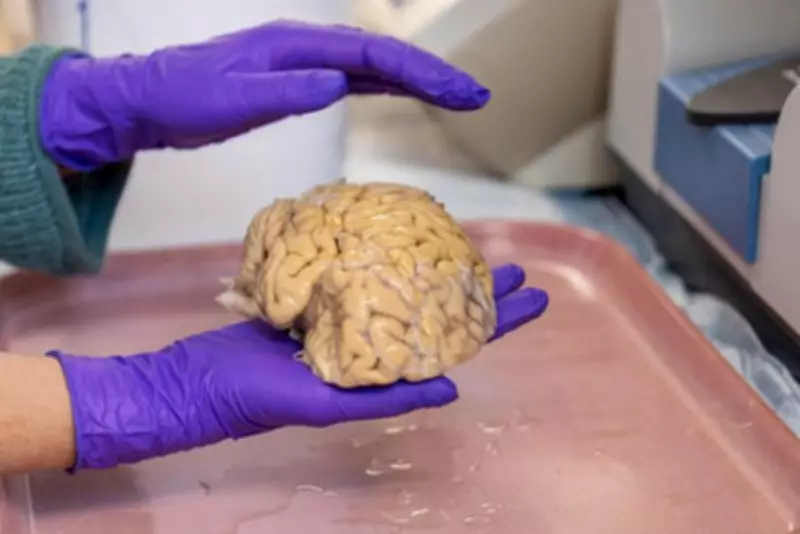
The study, published in the prestigious journal Nature, analyzed donated brain samples from five distinct groups: healthy young adults, healthy older adults, super-agers aged 80 or older with proven exceptional memory skills, individuals with mild or early dementia, and Alzheimer's disease patients. Researchers focused on the hippocampus, the brain's memory center, where new neurons are generated throughout life.
Dr. Orly Lazarov, a lead author of the study, explained the process using a compelling analogy: "Think of the stages of adult neurogenesis like a baby, a toddler and a teenager. All are signs that the hippocampi are growing new neurons." The team assessed three types of hippocampus cells: stem cells with potential to evolve into neurons, neuroblasts (cells transitioning to nerve cells), and immature neurons nearing functionality.

Stark Contrasts in Brain Cell Production
The findings revealed dramatic differences in nerve cell growth across groups. Super-agers exhibited significantly more active production of new nerve cells compared to their counterparts, forming what researchers describe as a distinct memory "resilience signature." "Super-agers had twice the neurogenesis of the other healthy older adults," Dr. Lazarov emphasized. "Something in their brains enables them to maintain a superior memory. I believe hippocampal neurogenesis is the secret ingredient, and the data support that."
In stark contrast, individuals with early-stage cognitive decline showed minimal new nerve cell growth, while Alzheimer's disease patients generated almost no new neurons. This aligns with previous primate studies linking nerve cell growth to stronger memory formation in later life, now confirmed in humans.
Implications for Future Dementia Therapies
Scientists hope this research will pave the way for targeted therapeutics to preserve memory and combat dementia. Ahmed Disouky, another study author, highlighted the potential: "Understanding how some people naturally maintain neurogenesis opens the door to strategies that could help more adults preserve memory and cognitive health as they age."
The study underscores that nerve cells, which support almost every human function, remain crucial for cognitive vitality. By identifying the mechanisms behind super-agers' fertile brains, researchers aim to develop interventions that mimic this neurogenesis boost, offering hope for millions facing age-related memory loss.