Ancient DNA Research Overturns Popular Genghis Khan Theory
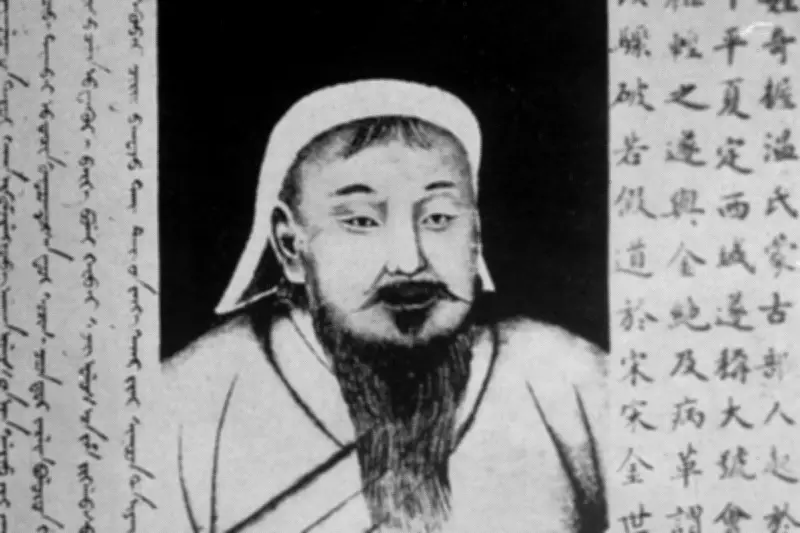
A groundbreaking new study has cast significant doubt on the long-held belief that one in every 200 men alive today is a direct descendant of the legendary Mongol conqueror, Genghis Khan. This narrative, which gained traction following influential research in 2003, suggested that a widespread Y-chromosome lineage originating approximately 1,000 years ago in Mongolia could be traced back to Khan's prolific lineage.
Archaeological Insights from the Golden Horde
Archaeologists conducted a meticulous analysis of ancient DNA extracted from the ruling elites of the Golden Horde in Kazakhstan. This empire was an extension founded by Jochi, the eldest son of Genghis Khan, providing a crucial genetic link to the period. The findings from this research indicate that the common Y-chromosome lineage observed in modern populations likely appeared around 1,000 years before Khan established his vast empire in the 13th century.
This temporal discrepancy suggests that the lineage may not represent direct descendants of Genghis Khan at all, but rather a pre-existing genetic marker that was already prevalent in the region. The study highlights the complexities of tracing paternal lineages through historical figures, especially when relying on genetic data without corroborative archaeological evidence.

Limitations and Future Directions
Researchers involved in the study have emphasised that definitive conclusions about Genghis Khan's direct lineage cannot be made with certainty until his secretly buried, unmarked grave is discovered and analysed. The absence of this key piece of evidence leaves room for ongoing debate and further investigation into the genetic legacy of one of history's most formidable leaders.
The implications of this research extend beyond academic circles, challenging popular perceptions and media portrayals that have romanticised the genetic impact of Genghis Khan. It underscores the importance of integrating archaeological findings with genetic studies to build a more accurate historical narrative.