People expect effort, not a token ‘I’m sorry’, but be careful not to over-script your acknowledgment of mistakes. A study published this week into the perceived sincerity of apologies found that when faced with an expression of remorse, we find it more meaningful if the apologiser has used longer words. That is owing to the perceived extra effort the guilty party is putting in, concluded researchers – even if the effort extends no further than using a slightly more elaborate word.
Fancy language or not, sorry remains the hardest word for a reason, says Dr Tara Quinn-Cirillo, a registered psychologist and associate fellow of the British Psychological Society. “Even if we might understand that what we did or said wasn’t OK, it’s still very hard because it’s admitting vulnerability and we’re not good at being vulnerable. Historically that didn’t keep us safe. So we have our guards up.”
Examples abound of what to do and what to avoid. When actors Ashton Kutcher and Mila Kunis wrote letters to request a lighter sentence for their former co-star Danny Masterson, convicted of rape, a carefully worded video apology that followed only made matters worse. Many observers concluded they perhaps weren’t particularly sorry.
For the former Labour chief secretary to the Treasury, Liam Byrne, a column in the Guardian had to suffice for his apology for a lighthearted note left for his successor in 2010, which read: “I’m sorry there is no money left.” Byrne wrote that he “burned with the shame of it”, though many commenters were more forgiving.
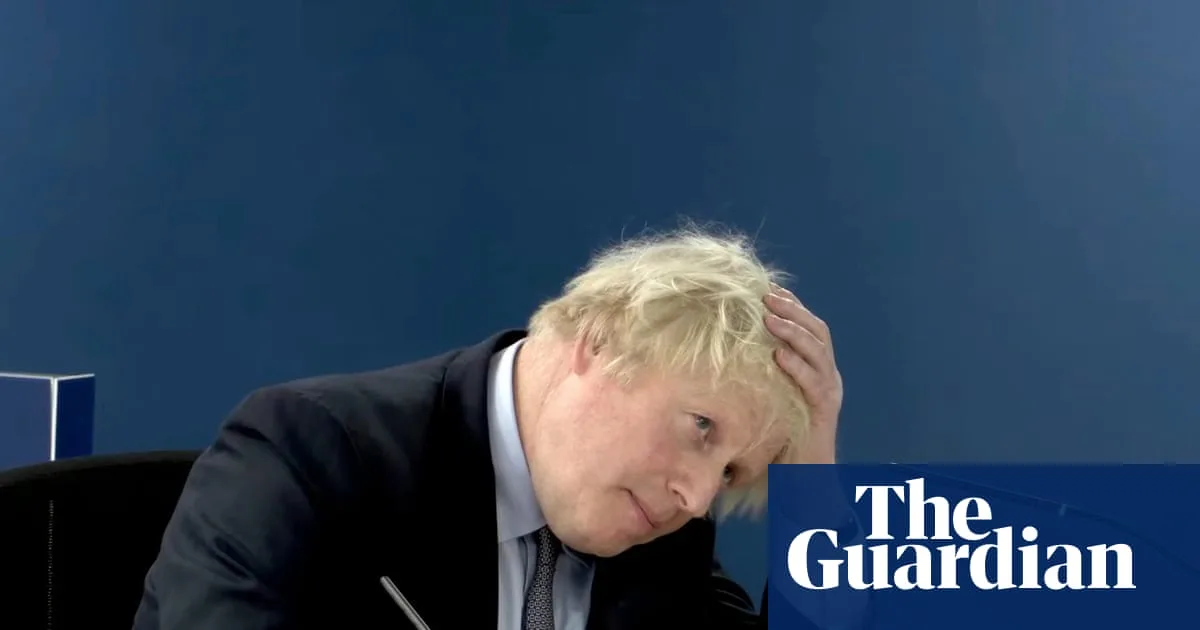
“Some people go through life going ‘Sorry, sorry, sorry,’ just to get out of situations, but it’s insincere and they never change their behaviour,” says Quinn-Cirillo. She adds that the three key things that signal a genuine apology are insight, reflection, and the ability to change behaviour. Examples like Boris Johnson, who repeatedly apologised over his conduct during the Covid lockdowns only to retract it all in his memoir, show the opposite.
Just because a statement has the S-word in it doesn’t make it a genuine expression of remorse. Harvey Weinstein’s statement after accusations of sexual assault included an apology but also a defence that “all the rules about behaviour and workplaces were different” in the past. His attorney separately said he was preparing to sue over the report. Weinstein has since been convicted of rape and sexual assault.