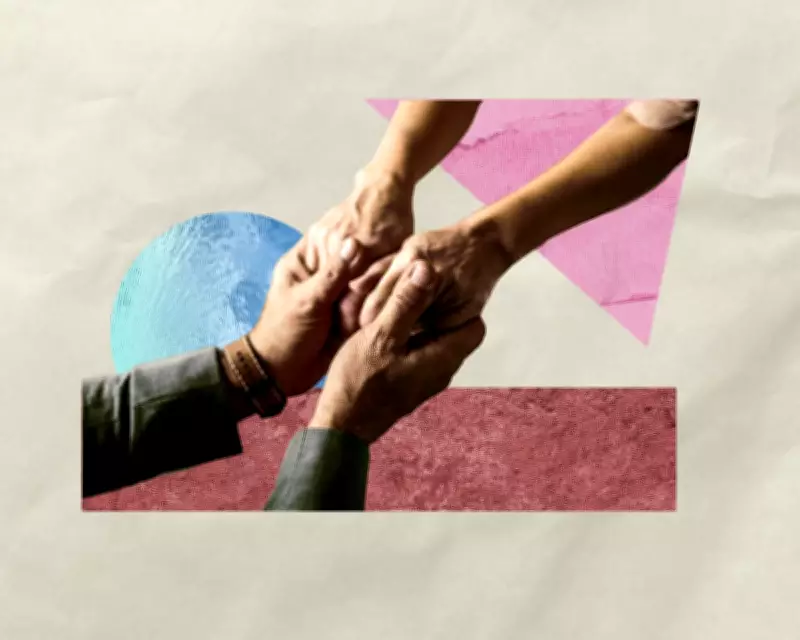
In a world often dominated by stories of conflict and self-interest, emerging scientific insights are shedding light on the profound role of human altruism in shaping our ethical frameworks. Contrary to popular belief, acts of kindness and empathy are not mere anomalies but deeply ingrained components of human nature that foster social bonds and moral decision-making.
The Biological Roots of Altruism
Recent studies in neuroscience and psychology have uncovered that altruistic behavior is hardwired into our brains. Empathy, the ability to understand and share the feelings of others, activates neural pathways associated with reward and pleasure, suggesting that helping others can be intrinsically satisfying. This biological basis challenges the notion that humans are inherently selfish, pointing instead to a complex interplay between genetics and environment that promotes cooperative tendencies.
Kindness as a Social Glue
Beyond individual psychology, altruism serves as a critical social glue that binds communities together. From small acts of generosity in daily life to large-scale charitable efforts, kindness reinforces trust and reciprocity, essential elements for societal stability. Ethical systems across cultures often prioritize compassion and fairness, reflecting how altruistic impulses underpin moral codes and legal norms.

Empathy in Ethical Decision-Making
Empathy plays a pivotal role in ethical decision-making by allowing individuals to consider the perspectives and well-being of others. In fields such as healthcare, education, and governance, empathetic approaches lead to more just and effective outcomes. Research indicates that fostering empathy through education and practice can enhance prosocial behavior, reducing conflicts and promoting harmony.
Challenges to Altruism in Modern Society
Despite its importance, altruism faces challenges in contemporary settings. Economic pressures, political polarization, and digital isolation can erode empathetic connections, leading to increased selfishness and ethical lapses. However, initiatives that promote community engagement, mindfulness, and ethical leadership are proving effective in countering these trends, highlighting the resilience of human kindness.
Ultimately, the science of altruism offers a hopeful perspective on human potential. By recognizing and nurturing our innate capacity for empathy and kindness, we can build more ethical and compassionate societies, grounded in shared values rather than division.