

Samuel Pepys Concealed Offer of Enslaved Boy as Bribe, New Research Reveals
New research has uncovered that Samuel Pepys, the famed 17th-century diarist, deliberately "erased" and "curated" his correspondence to conceal an offer of an enslaved African boy as a bribe. A Cambridge University historian, Dr Michael Edwards, made this discovery after examining hundreds of records, shedding light on Pepys' ethical compromises during his tenure as a senior naval official.
Historical Investigation into Pepys' Archives
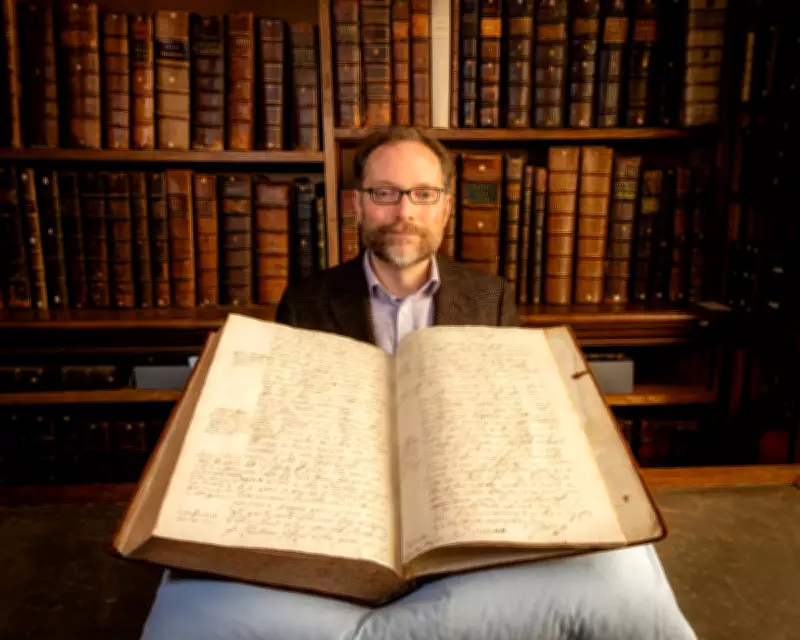
Dr Michael Edwards, a fellow of Jesus College, Cambridge, conducted an extensive study titled "Samuel Pepys, the African Companies, and the Archives of Slavery, 1660–1689." He consulted documents from The Pepys Library at Magdalene College, Cambridge, The National Archives, and the Bodleian Library in Oxford. The findings, published in the Historical Journal, reveal unsettling details about Pepys' involvement with slavery and corruption.
In April 1675, naval officer John Howe wrote to Pepys, seeking support in a dispute over a ship's command. Howe offered Pepys a "small" enslaved boy, describing him as "well seasoned to endure the cold weather" to live in England. Pepys responded indignantly, but Edwards argues this was not due to ethical objections to slavery. Instead, Pepys was concerned about the appearance of being bribable, as his reputation was at stake.

Curating Correspondence to Protect Reputation
Edwards explains that Pepys, known for his compulsive archiving, reduced references to the enslaved boy to vague terms like "gratuity" or "reward" in his records. This curation effectively erased the boy's fate from history. At the time, enslaved African boys were commonly sought as servants, making such offers not unusual. Pepys' primary worry was maintaining his image as an official acting "by the book," rather than addressing the ethics of enslavement.
Pepys' clerk, William Hewer, assisted in organizing the correspondence to preserve Pepys' innocence while obscuring the child's history. Edwards notes that Pepys had significant reasons for caution; as Secretary to the Admiralty, he managed vast sums of money and faced political enemies. In 1679, he was imprisoned in the Tower of London on charges of corruption and popery, highlighting the precarious nature of his position.
Broader Connections to Enslavement
The incident occurred against the backdrop of Pepys' work with the Royal African Company (RAC), where he arranged loans of naval ships for the transatlantic slave trade. Howe, who offered the bribe, had served on the ship Phoenix, which Pepys lent to the RAC. This ship transported enslaved people from Africa to Barbados, with logs recording 19 deaths where individuals were thrown overboard.
Elsewhere in his archives, Pepys openly discussed his links to slavery. In September 1688, he advised a ship's captain to feed an enslaved man "hard meat" until he could be sold to a plantation as a rogue. Additionally, in 1679, Pepys arranged to sell another enslaved male through a naval contact, referring to him as "my black-boy." None of these individuals were named in the records, further emphasizing their erasure from history.
Implications for Historical Understanding
Edwards emphasizes that the English state and crown were deeply entangled with enslavement during this period, contributing to England's rise as a global power. Pepys' connections to African trading companies and the Navy played a significant role in this untold story. The research highlights how archival curation can shape historical narratives, often hiding uncomfortable truths about figures like Pepys.
This study adds a critical layer to our understanding of Samuel Pepys, moving beyond his celebrated diaries to examine his complicity in systems of power and exploitation. It underscores the importance of re-evaluating historical archives to uncover hidden aspects of Britain's colonial past.






