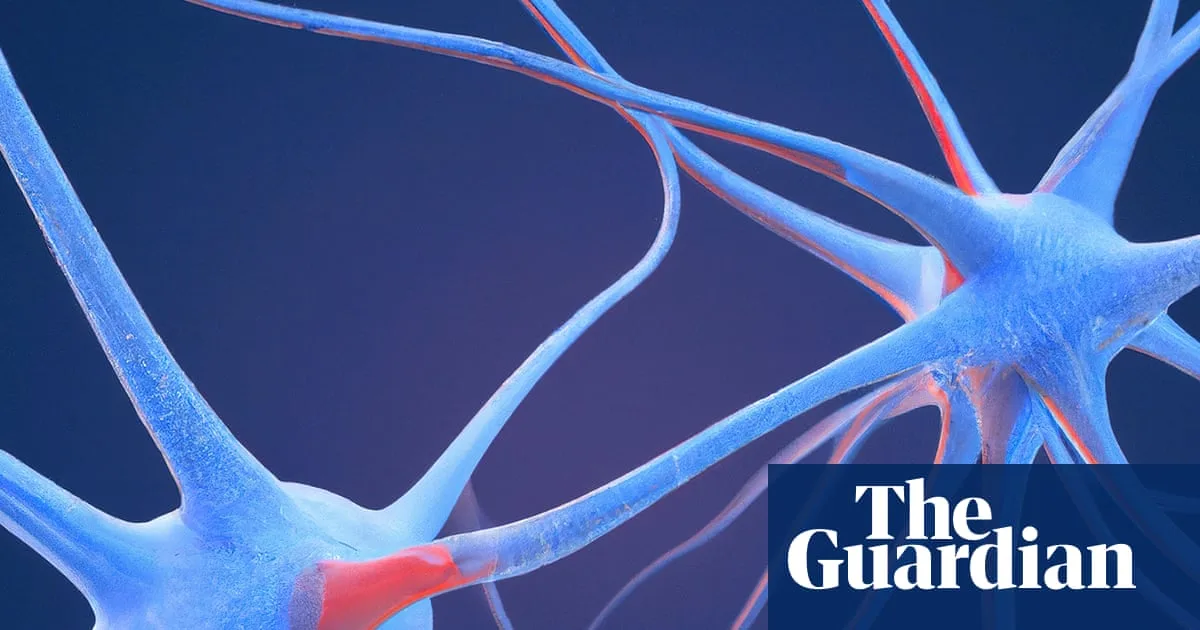
Scientists have identified a hallmark signature produced by psychedelic drugs in the human brain, based on an analysis of more than 500 brain scans from 267 people across five countries. The study, published in Nature Medicine, found that LSD, psilocybin, DMT, mescaline and ayahuasca all increase cross-talk between brain systems, creating a 'neural fingerprint' of the psychedelic experience.
Led by Dr Danilo Bzdok from McGill University in Montreal, the research combined 11 brain imaging datasets to build a reliable picture of how these substances temporarily rewire the brain. The most striking effect was stronger communication between higher-level thinking networks and more primitive networks linked to vision and sensation. 'You have an unleashed cross-talk between brain systems – they are wildly communicating with each other,' Bzdok said.
The study found that all five drugs dissolve the usual hierarchy of brain systems, flattening it in a way that may underlie what some describe as raw access to consciousness. Further changes were observed deeper in the brain, in regions linked to habits, learning and movement. Contrary to some previous claims, the study found little reliable evidence that individual brain networks 'disintegrate' on psychedelics.
The insights are increasingly important as researchers investigate psychedelics as potential therapies for severe mental health conditions such as depression, schizophrenia and post-traumatic stress disorder. Dr Emmanuel Stamatakis from the University of Cambridge, a senior co-author, said: 'This field is moving quickly. If psychedelic research is to mature responsibly, it needs large-scale, coordinated evidence.'