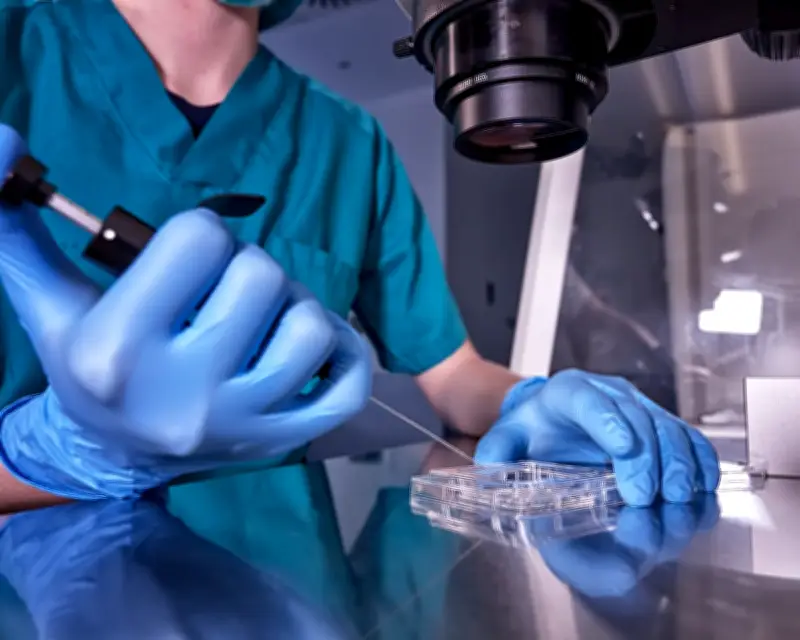
More than 70% of IVF patients in the UK, Australia and New Zealand pay for one or more add-on treatments during IVF, yet the largest study of its kind concludes that most of these extra procedures, medicines or techniques are not backed by reliable evidence and may be a complete waste of money.
Widespread uptake of unproven add-ons
There has been a surge in IVF add-ons offered to patients with bold claims of increasing the probability of success. However, the world's most comprehensive review into their effectiveness found the majority show no effect on fertility or remain inconclusive due to limited or low-quality data. The findings were published in The Lancet Obstetrics, Gynaecology & Women's Health journal.
"In many countries, infertility care is largely provided by private clinics where IVF is highly commercialised, and some add-ons are extremely expensive," said Dr Sarah Lensen of the University of Melbourne. "Our review finds a lack of evidence that most of the IVF add-ons we assessed provide any benefit to patients. Unproven add-ons can lead to false hope, greater financial strain and unnecessary medical procedures at what already can be a very difficult time for patients."

Seven add-ons with no proven benefit
The meta-analysis focused on 10 common IVF add-ons, limited to high-quality studies. Of 157 potentially eligible trials, 72 were excluded on trustworthiness grounds, and data from the remaining 85 trials were pooled. The review found either no effect on fertility or inconclusive results due to limited or low-quality data for seven add-ons:
- Acupuncture – inserting thin needles into points on the body.
- Corticosteroids – medication to reduce inflammation and suppress immune system activity.
- Endometrial receptivity testing – a biopsy of the uterine lining to assess gene expression patterns.
- Intralipid infusion – a liquid containing fats administered into the blood.
- Intraovarian injection of platelet-rich plasma – injecting platelet-rich plasma into the ovaries.
- Intrauterine infusion of platelet-rich plasma – insertion of platelet-rich plasma into the uterus.
- Pre-implantation genetic testing for aneuploidy – a screening test to check whether embryos have the expected number of chromosomes.
Weak evidence for three add-ons
The review also found only weak evidence of some possible benefit from three IVF add-ons: EmbryoGlue (an embryo transfer medium containing hyaluronic acid) may increase the probability of pregnancy and live birth, but the effect on live birthrates was not robust. Endometrial scratching (a minor procedure to scratch or disturb the lining of the uterus) may increase the probability of pregnancy and live birth. Physiological intracytoplasmic sperm injection (PICSI) – a technique to select sperm based on their ability to bind to hyaluronic acid – showed weak evidence it may lower the risk of miscarriage.
Misinformation and commercial pressures
"There is widespread misinformation about IVF add-ons with private clinic websites and patient forums on social media – major information sources for patients – often overstating the benefits and omitting the costs and risks of add-ons," Lensen said. "IVF clinics and clinicians should carefully consider whether it is appropriate to offer unproven add-ons, as their availability is often perceived by patients as implicit endorsement of benefit."